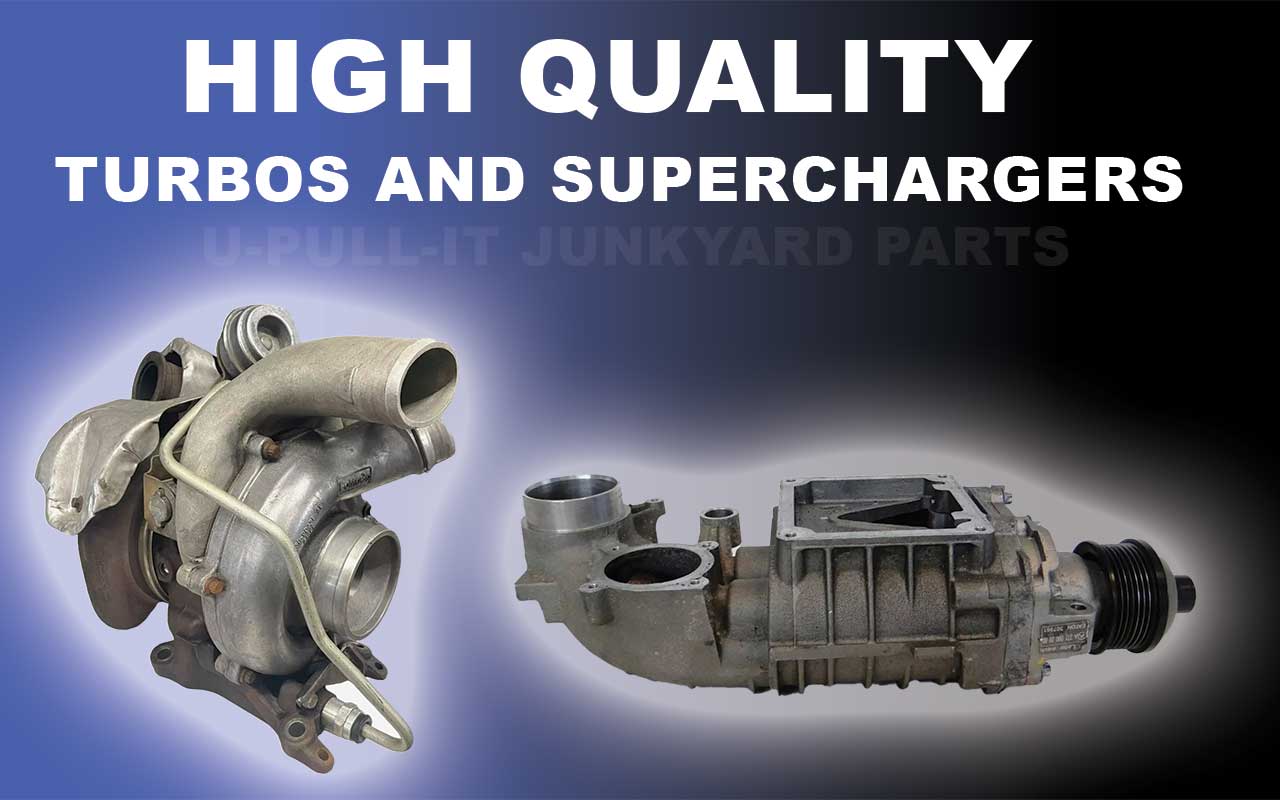
Maximize Speed on a Budget: Buying Used Turbos and Superchargers from Local Junkyards
If you want to make your car faster, adding a turbocharger or supercharger is a great way to do it. But new parts can be really expensive. Luckily, there's a cheaper option—local junkyards. You can buy used turbos and superchargers for way less by visiting junkyards like the ones listed on u-pull-it.com. Let’s talk about how buying these parts from a junkyard works, how much they cost, and why it's a smart choice for your next car project.
[sc name="hrz-resp" ][/sc]Benefits of Buying Turbochargers and Superchargers from Junkyards
Save Money
Car upgrades can be pricey. A new turbocharger can cost over $1,500, and that doesn’t even include the labor costs, which can bring the total up to $2,000 or more. On the other hand, used parts at junkyards are much cheaper. You can find a turbo for $100 to $500, while a junkyard supercharger can cost between $500 and $900.
Junkyards often have OEM (Original Equipment Manufacturer) parts, which means these are the original parts made for your car model. This means you can trust they will fit and work well. Plus, buying used parts helps reduce waste and keeps your costs down, which is good for the environment too.
Why Used Junkyard Parts Are a Good Choice
People sometimes wonder if used turbo or supercharger parts are worth buying. The truth is, many cars end up in junkyards with perfectly good parts. Sometimes cars are scrapped because of unrelated issues like a crash or other mechanical problems. If you check the parts carefully and know what to look for, you can get a great part that still works well. Turbochargers and superchargers are built to last, and if they have been maintained properly, they can still give you good performance.
Common Reasons Why Turbochargers and Superchargers Fail
Why Turbos Fail
Before buying, it helps to know why turbos sometimes fail. Common causes include:
- Oil Contamination: Turbos need oil to keep the bearings lubricated. If the oil is dirty, it can cause the turbo to fail.
- Foreign Object Damage: If debris gets inside the turbo, it can damage the parts, like the compressor blades.
- Overheating: Too much heat can cause damage to the bearings or make the housing crack.
Why Superchargers Fail
Superchargers can fail for different reasons:
- Bad Seals: Seals can wear out over time, which can lead to problems and failures.
- Pulley Problems: Issues with the blower belt, like slipping or being out of alignment, can cause supercharger problems.
- Oil Issues: If the oil is dirty or if maintenance was poor, bearings can get damaged.
Knowing these common issues can help you check the parts better at the junkyard. Look for clean oil lines, good seals, and no signs of damage.
Inspection Tips Specific to Turbochargers and Superchargers
Visual Examination
- Exterior and Interior Check: Inspect the turbo or supercharger for any visible cracks, holes, or rust. Pay attention to both the exterior and, as much as possible, the interior to check for internal damage.
- Signs of Welding or Previous Repairs: Look for signs of previous repairs, such as welding marks. While some repairs are okay, they can also be a weak spot that might fail in the future.
Fitment Checks
- Compatibility: Make sure the turbo or supercharger matches your vehicle's make, model, and year. Even small differences can lead to fitment problems, making installation difficult or affecting performance.
- Mounting Hardware: Check the condition of mounting brackets, hangers, and clamps. If these parts are included and in good condition, it saves you from having to buy them separately.
How to Find the Right Turbo or Supercharger at a Junkyard
Using Junkyard Part Systems
Many junkyards have a part interchange system that helps you find parts that work with different makes and models. This can save a lot of time and help you find a turbo or supercharger that will fit your car, even if it came from a different model. Local junkyards in our directory, like LKQ Pick Your Part or Pull-A-Part, use these systems, making it easier to search for parts.
Online Inventory Search
You can also search the inventory of many junkyards online before going there. This way, you’ll know which cars and parts are available. It saves time and helps you figure out what tools you need to bring.
Pricing of Used Turbo and Supercharger Parts
Here is a general idea of how much different parts cost:
| Part | Price Range |
|---|---|
| Turbocharger Unit | $150 - $500 |
| Exhaust Manifold | $50 - $150 |
| Compressor Housing | $30 - $100 |
| Intercooler | $50 - $200 |
| Wastegate | $20 - $50 |
| Blow-Off Valve (BOV) | $20 - $100 |
| Oil Lines | $10 - $30 |
| Downpipe | $30 - $150 |
| Boost Controller | $20 - $60 |
These prices depend on the condition of the parts and the specific junkyard, but they are way cheaper than buying new parts.
Installation Considerations for Turbochargers and Superchargers
DIY vs. Professional Installation
- DIY Installation: Installing a turbo or supercharger yourself can save you money, but it requires some basic mechanical skills. You'll need tools like wrenches, ratchets, and possibly a hacksaw. Make sure you have the right tools before starting.
- Professional Installation: If you're not confident in your skills, getting a professional to install the turbo or supercharger is a good idea. They have the tools and experience to make sure it’s done correctly, which can help avoid problems down the line.
Additional Components Needed
- New Gaskets and Clamps: Always use new gaskets, clamps, and seals when installing a turbo or supercharger. This ensures a tight fit and prevents leaks.
What to Expect When You Visit a Junkyard
When you go to a junkyard, you usually have to take the parts off the cars yourself. Here’s what you need to know:
- Bring Your Own Tools: Most junkyards don’t supply tools, so bring your own. You’ll need wrenches, ratchets, and screwdrivers. If you’re removing a supercharger, you might need extra tools like a pulley puller or a hacksaw.
- Inspect Carefully: Check the turbo or supercharger closely. Make sure there are no oil leaks, rust, broken parts, or weird noises when you spin it by hand.
- Be Ready for Hands-On Work: Wear the right clothes, gloves, and bring safety gear. You’ll be working on the car yourself, so be prepared to get dirty.
Legal and Environmental Factors
Emissions Standards Compliance
- Emissions Regulations: Make sure the used turbo or supercharger meets local emissions regulations. Some components may affect emissions, so it’s important to be compliant.
Warranties and Return Policies
Most good junkyards offer warranties on parts, even used turbos or superchargers. A typical warranty is around three months, which can help if the part fails soon after you install it. It’s always best to ask about the warranty before buying. Junkyards like Advanced Auto Wreckers often have a warranty and return policy, so make sure to check what’s covered.
Safety Precautions Specific to Turbochargers and Superchargers
Handling Used Parts Safely
- Wear Gloves: Turbos and superchargers can have sharp edges, and they may be covered in oil and chemicals. Always wear gloves to protect your hands.
- Avoid Inhaling Dust: Some parts may contain rust dust or other particles, which can be harmful if inhaled. Consider wearing a mask when handling used parts.
Disposal of Old Parts
- Environmental Disposal: Dispose of old parts at a proper recycling center or waste facility. Many parts of a turbo or supercharger can be recycled, and proper disposal is important for the environment.
Common Questions About Buying Turbo and Supercharger Parts at a Junkyard
How do I know if a used turbo or supercharger is in good condition?
Look for any visible wear, rust, oil leaks, or broken parts. Spin the turbo by hand to see if it moves smoothly and listen for any unusual noises.
What tools should I bring to a junkyard to pull a turbo or supercharger?
Bring wrenches, ratchets, screwdrivers, pliers, and any special tools like a pulley puller or hacksaw. You may need to take off other parts to get to what you need.
Is buying from a junkyard worth it compared to buying new?
Yes, definitely! You can save a lot of money by buying from a junkyard. As long as you check the parts carefully and buy from a good junkyard, used parts can be just as reliable as new ones.
Do junkyards offer a return policy or warranty?
Yes, most good junkyards have a limited warranty, usually for about three months. Make sure you understand the terms before buying.
Can I install a junkyard turbo or supercharger myself?
If you know your way around cars, yes! Installing these parts takes some mechanical skills, but a lot of car enthusiasts do it themselves. If you’re not sure, check out our other guides on car repairs and installations for more help.
Buying used turbo and supercharger parts from junkyards can be a fun and money-saving experience. With the right tools, some research, and a little hard work, you can get the parts you need for a price that leaves you with cash for more upgrades. Whether you’re looking to add more power to your car on a budget or just enjoy working on it, junkyards can be a goldmine of opportunities.
Additional Resources
- Installation Guides: Check out our step-by-step guides on installing turbos and superchargers for help with DIY projects.
- List of Reputable Junkyards: Visit u-pull-it.com for a list of reputable junkyards where you can find high-quality used parts.

