Showing posts with label JUNK CARS. Show all posts

Tuesday, December 3, 2024

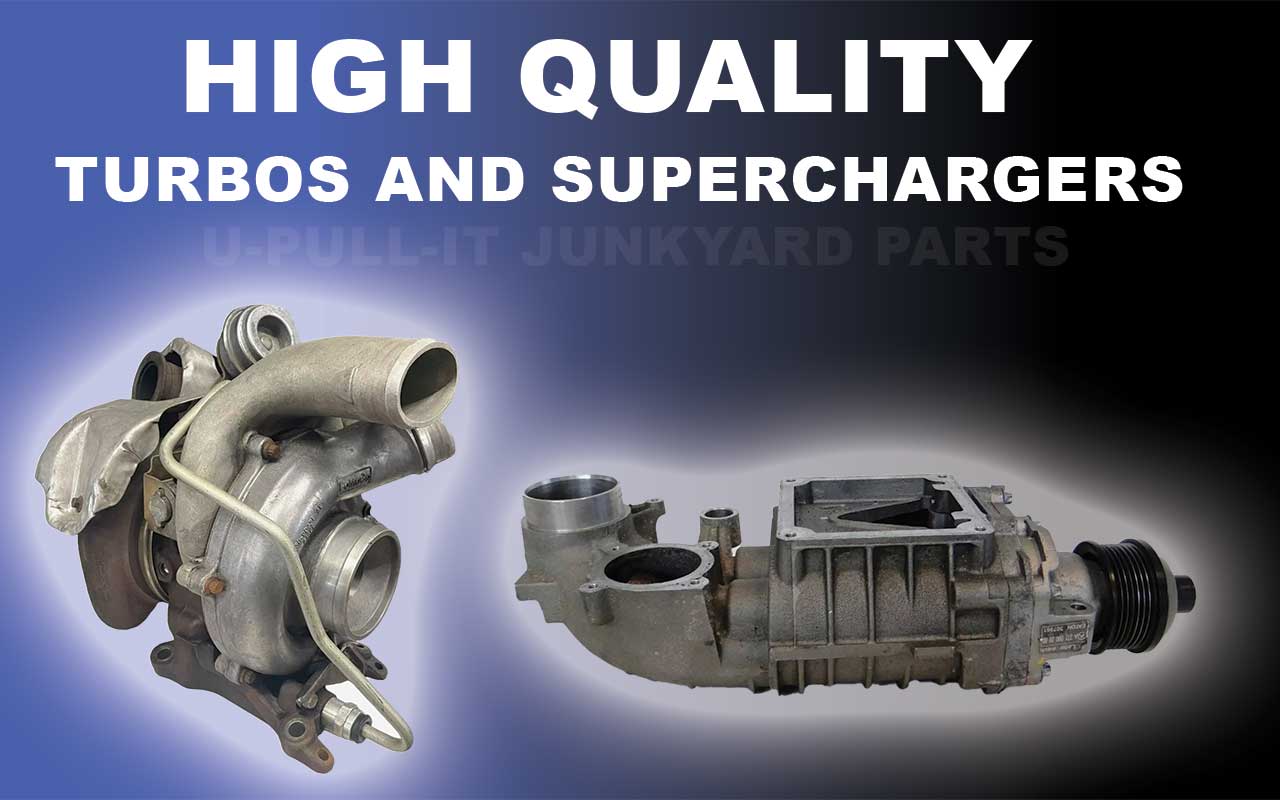
Make It Go Fast: Finding Turbo, Supercharger Parts at Your Local Junkyard

Maximize Speed on a Budget: Buying Used Turbos and Superchargers from Local Junkyards

If you want to make your car faster, adding a turbocharger or supercharger is a great way to do it. But new parts can be really expensive. Luckily, there's a cheaper option—local junkyards. You can buy used turbos and superchargers for way less by visiting junkyards like the ones listed on u-pull-it.com. Let’s talk about how buying these parts from a junkyard works, how much they cost, and why it's a smart choice for your next car project.

[sc name="hrz-resp" ][/sc]

Benefits of Buying Turbochargers and Superchargers from Junkyards

Save Money

Car upgrades can be pricey. A new turbocharger can cost over $1,500, and that doesn’t even include the labor costs, which can bring the total up to $2,000 or more. On the other hand, used parts at junkyards are much cheaper. You can find a turbo for $100 to $500, while a junkyard supercharger can cost between $500 and $900.

Junkyards often have OEM (Original Equipment Manufacturer) parts, which means these are the original parts made for your car model. This means you can trust they will fit and work well. Plus, buying used parts helps reduce waste and keeps your costs down, which is good for the environment too.

Why Used Junkyard Parts Are a Good Choice

People sometimes wonder if used turbo or supercharger parts are worth buying. The truth is, many cars end up in junkyards with perfectly good parts. Sometimes cars are scrapped because of unrelated issues like a crash or other mechanical problems. If you check the parts carefully and know what to look for, you can get a great part that still works well. Turbochargers and superchargers are built to last, and if they have been maintained properly, they can still give you good performance.

Common Reasons Why Turbochargers and Superchargers Fail

Why Turbos Fail

Before buying, it helps to know why turbos sometimes fail. Common causes include:

  • Oil Contamination: Turbos need oil to keep the bearings lubricated. If the oil is dirty, it can cause the turbo to fail.
  • Foreign Object Damage: If debris gets inside the turbo, it can damage the parts, like the compressor blades.
  • Overheating: Too much heat can cause damage to the bearings or make the housing crack.

Why Superchargers Fail

Superchargers can fail for different reasons:

  • Bad Seals: Seals can wear out over time, which can lead to problems and failures.
  • Pulley Problems: Issues with the blower belt, like slipping or being out of alignment, can cause supercharger problems.
  • Oil Issues: If the oil is dirty or if maintenance was poor, bearings can get damaged.

Knowing these common issues can help you check the parts better at the junkyard. Look for clean oil lines, good seals, and no signs of damage.

Inspection Tips Specific to Turbochargers and Superchargers

Visual Examination

  • Exterior and Interior Check: Inspect the turbo or supercharger for any visible cracks, holes, or rust. Pay attention to both the exterior and, as much as possible, the interior to check for internal damage.
  • Signs of Welding or Previous Repairs: Look for signs of previous repairs, such as welding marks. While some repairs are okay, they can also be a weak spot that might fail in the future.

Fitment Checks

  • Compatibility: Make sure the turbo or supercharger matches your vehicle's make, model, and year. Even small differences can lead to fitment problems, making installation difficult or affecting performance.
  • Mounting Hardware: Check the condition of mounting brackets, hangers, and clamps. If these parts are included and in good condition, it saves you from having to buy them separately.

How to Find the Right Turbo or Supercharger at a Junkyard

Using Junkyard Part Systems

Many junkyards have a part interchange system that helps you find parts that work with different makes and models. This can save a lot of time and help you find a turbo or supercharger that will fit your car, even if it came from a different model. Local junkyards in our directory, like LKQ Pick Your Part or Pull-A-Part, use these systems, making it easier to search for parts.

https://www.youtube.com/watch?v=z3TFcOMhayk

Online Inventory Search

You can also search the inventory of many junkyards online before going there. This way, you’ll know which cars and parts are available. It saves time and helps you figure out what tools you need to bring.

Pricing of Used Turbo and Supercharger Parts

Here is a general idea of how much different parts cost:

PartPrice Range
Turbocharger Unit$150 - $500
Exhaust Manifold$50 - $150
Compressor Housing$30 - $100
Intercooler$50 - $200
Wastegate$20 - $50
Blow-Off Valve (BOV)$20 - $100
Oil Lines$10 - $30
Downpipe$30 - $150
Boost Controller$20 - $60

These prices depend on the condition of the parts and the specific junkyard, but they are way cheaper than buying new parts.

Installation Considerations for Turbochargers and Superchargers

DIY vs. Professional Installation

  • DIY Installation: Installing a turbo or supercharger yourself can save you money, but it requires some basic mechanical skills. You'll need tools like wrenches, ratchets, and possibly a hacksaw. Make sure you have the right tools before starting.
  • Professional Installation: If you're not confident in your skills, getting a professional to install the turbo or supercharger is a good idea. They have the tools and experience to make sure it’s done correctly, which can help avoid problems down the line.

Additional Components Needed

  • New Gaskets and Clamps: Always use new gaskets, clamps, and seals when installing a turbo or supercharger. This ensures a tight fit and prevents leaks.

What to Expect When You Visit a Junkyard

When you go to a junkyard, you usually have to take the parts off the cars yourself. Here’s what you need to know:

  • Bring Your Own Tools: Most junkyards don’t supply tools, so bring your own. You’ll need wrenches, ratchets, and screwdrivers. If you’re removing a supercharger, you might need extra tools like a pulley puller or a hacksaw.
  • Inspect Carefully: Check the turbo or supercharger closely. Make sure there are no oil leaks, rust, broken parts, or weird noises when you spin it by hand.
  • Be Ready for Hands-On Work: Wear the right clothes, gloves, and bring safety gear. You’ll be working on the car yourself, so be prepared to get dirty.

Legal and Environmental Factors

Emissions Standards Compliance

  • Emissions Regulations: Make sure the used turbo or supercharger meets local emissions regulations. Some components may affect emissions, so it’s important to be compliant.

Warranties and Return Policies

Most good junkyards offer warranties on parts, even used turbos or superchargers. A typical warranty is around three months, which can help if the part fails soon after you install it. It’s always best to ask about the warranty before buying. Junkyards like Advanced Auto Wreckers often have a warranty and return policy, so make sure to check what’s covered.

Safety Precautions Specific to Turbochargers and Superchargers

Handling Used Parts Safely

  • Wear Gloves: Turbos and superchargers can have sharp edges, and they may be covered in oil and chemicals. Always wear gloves to protect your hands.
  • Avoid Inhaling Dust: Some parts may contain rust dust or other particles, which can be harmful if inhaled. Consider wearing a mask when handling used parts.

Disposal of Old Parts

  • Environmental Disposal: Dispose of old parts at a proper recycling center or waste facility. Many parts of a turbo or supercharger can be recycled, and proper disposal is important for the environment.

Common Questions About Buying Turbo and Supercharger Parts at a Junkyard

How do I know if a used turbo or supercharger is in good condition?

Look for any visible wear, rust, oil leaks, or broken parts. Spin the turbo by hand to see if it moves smoothly and listen for any unusual noises.

What tools should I bring to a junkyard to pull a turbo or supercharger?

Bring wrenches, ratchets, screwdrivers, pliers, and any special tools like a pulley puller or hacksaw. You may need to take off other parts to get to what you need.

Is buying from a junkyard worth it compared to buying new?

Yes, definitely! You can save a lot of money by buying from a junkyard. As long as you check the parts carefully and buy from a good junkyard, used parts can be just as reliable as new ones.

Do junkyards offer a return policy or warranty?

Yes, most good junkyards have a limited warranty, usually for about three months. Make sure you understand the terms before buying.

Can I install a junkyard turbo or supercharger myself?

If you know your way around cars, yes! Installing these parts takes some mechanical skills, but a lot of car enthusiasts do it themselves. If you’re not sure, check out our other guides on car repairs and installations for more help.

Buying used turbo and supercharger parts from junkyards can be a fun and money-saving experience. With the right tools, some research, and a little hard work, you can get the parts you need for a price that leaves you with cash for more upgrades. Whether you’re looking to add more power to your car on a budget or just enjoy working on it, junkyards can be a goldmine of opportunities.

Additional Resources

https://www.u-pull-it.com/finding-turbo-superchargers-parts-at-a-junkyard/?feed_id=44815&_unique_id=674f248ae7997

Monday, December 2, 2024

Mechanics Don't Want You to Know This: Get Mufflers for Cheap!

Buy a High-Quality Used Muffler from a Junkyard or Salvage Yard.

Buying a used muffler from a junkyard can save you a lot of money. Most mechanics and muffler shops don't want you to know how cheap it can be to buy a good, working muffler for a fraction of the price you'd pay at a dealership. At U-Pull-It.com, we help you find local junkyards where you can get mufflers and other exhaust system parts for almost nothing. Let’s talk about how buying used can save you money, what to look out for, and why a junkyard muffler might be in much better shape than you'd expect.

[sc name="hrz-resp" ][/sc]

Why Choose a Used Muffler?

A used muffler from a trusted junkyard is a great deal, saving you 50-75% compared to buying new. Here’s why getting a used one makes sense:

  • Big Savings: A new muffler can cost between $100 to $500 depending on the brand and model. By going to a junkyard, you could get a working used muffler for $25-$50. That's enough savings to put gas in your car or pay for other small car repairs.
  • Lots of Options: Junkyards have a huge inventory of exhaust system parts, including mufflers for older vehicles and cars that are no longer being made. If you need parts for a Ford or an old Chevy, junkyards are the place to look.
  • OEM Quality at a Lower Price: Many parts in junkyards come straight from OEM (Original Equipment Manufacturer) vehicles, so you know they are high quality and fit well. The used muffler you get from a junkyard could be the exact part that came with your car from the factory.
  • Good for the Environment: Buying a used muffler means fewer parts end up in the landfill. Reusing parts helps the planet by reducing waste. It’s not just good for your wallet; it’s good for the Earth too.

Compatibility and Fitment

Before you head to a junkyard, it’s important to make sure the muffler you’re buying will fit your vehicle. Here are some tips to ensure a good fit:

  • Vehicle Specifications: Write down your car’s make, model, year, and engine size. This information is crucial for finding a compatible muffler.
  • Part Numbers: Look for the OEM (Original Equipment Manufacturer) part number of your muffler. You can match this number to mufflers at the junkyard to make sure it fits.
  • Consulting Experts: If you’re unsure, ask the junkyard staff. They often have lots of experience with parts and can help you find the right fit. You can also check online forums where other car owners discuss compatible parts.

Why Are Junkyard Mufflers Often in Great Condition?

People often think junkyard parts are in bad condition, but that's not always true. Here’s why mufflers from junkyards are often still in great shape:

  1. Accident Cars: Many vehicles in junkyards end up there because of accidents. The muffler and exhaust system often aren’t damaged at all, which makes them great for reuse.
  2. Regular Maintenance: Cars end up at junkyards for lots of reasons, and it’s not always because of the exhaust system. Many owners took good care of their cars, so the muffler might still be in great condition.
  3. Better Climate: Mufflers from areas without harsh winters or salty roads usually have less rust or corrosion. This makes parts from those areas a great choice.

Common Muffler Issues and What to Look Out For

When buying a used muffler, it’s important to know the common problems and how to check for them:

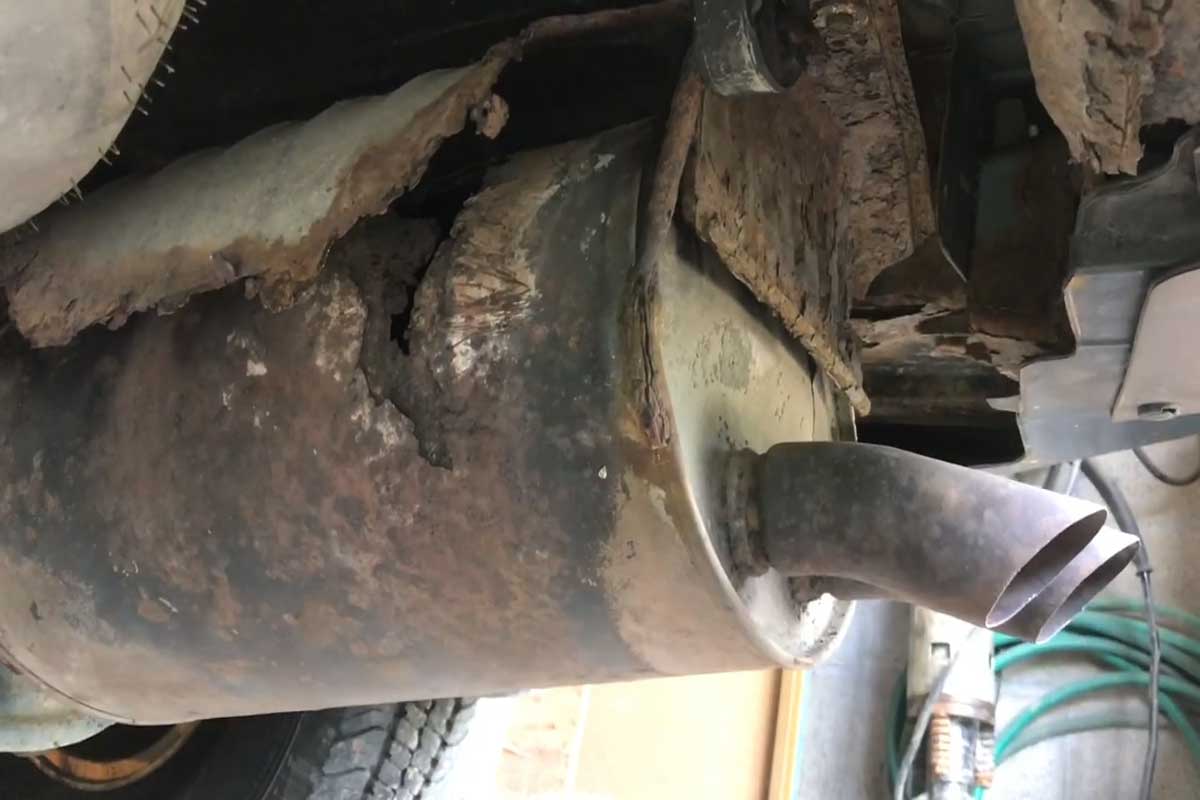
  • Rust and Corrosion: Rust is the biggest enemy of mufflers. Look for visible rust spots or holes, especially around the joints and seams. Most junkyards will let you take a close look or even exchange it if it turns out to be faulty.
  • Physical Damage: Check for dents or cracks. Most junkyards store parts carefully, but it’s always good to double-check before buying.
  • Broken Internal Parts: Shake the muffler gently. If you hear a rattling sound, it could mean the internal parts are broken, which would make the muffler less effective.
  • Exhaust Leaks: Check all the connection points for any cracks or areas where leaks might happen. Even a small leak can reduce engine performance and make loud noises.
  • Internal Condition: Use a flashlight to look inside the muffler for corrosion or debris. Rusty insides mean the muffler might not last long.
  • Bring Your Old Muffler: If possible, take your old muffler with you to the junkyard. It will help you compare and make sure the new one matches the size and shape of your original muffler.

Understanding Muffler Types

There are different types of mufflers, and knowing which one you need can help you make the best choice:

  • Chambered Mufflers: These use internal chambers to reduce noise and are commonly found in muscle cars for that classic rumble.
  • Turbo Mufflers: They use a series of perforated tubes and offer a balance between noise reduction and performance.
  • Straight-Through Mufflers: These have a straight, perforated pipe wrapped in sound-absorbing material. They are ideal for better performance but are usually louder.

Tools You Need When Picking a Muffler at a Junkyard

Junkyards are usually self-service, so you need to bring some basic tools with you to take the muffler off the car:

  • Socket Set: To remove the bolts that hold the muffler to the exhaust pipe.
  • Wrenches: These can help loosen tight nuts.
  • Penetrating Oil: To loosen rusted or stuck bolts.
  • Hacksaw or Exhaust Pipe Cutter: You might need to cut some parts if they are rusted or welded together.
  • Exhaust Hanger Pliers: These can help you remove the muffler hangers without damaging anything.

For more information on the tools you need for junkyard finds, check out our detailed guide here.

Prices of Other Used Exhaust Parts at Junkyards

Used mufflers aren’t the only cheap option. Here are some average prices for other exhaust system parts you can find at junkyards:

PartAverage Price ($)
Exhaust Manifold$30-$75
Resonator$20-$40
Exhaust Pipes$15-$40
Tailpipe (Exhaust Tip)$10-$25
Oxygen Sensors$15-$30
Heat Shields$10-$25

These parts are often much cheaper than what you'd pay at a muffler shop or dealership. Getting parts from your local junkyard gives you great value while still keeping your vehicle running well.

Why Junkyards Are a Great Place for Exhaust System Parts

  • Easy to Find: Finding a junkyard is easy by searching on U-Pull-It.com. Our directory helps you find the closest junkyards that have lots of used auto parts.
  • Part Swapping Made Simple: Many junkyards have interchange databases that help you see if a part from a different car will fit yours. This gives you more options if they don’t have your exact car model.
  • DIY Fun: Salvage yards are often DIY-friendly. You can have fun removing the part yourself, save money on labor, and learn more about how your car exhaust works.

Safety First: Precautions When Visiting a Junkyard

  • Wear Protective Gear: Gloves, safety glasses, and durable shoes are essential to protect yourself.
  • Be Aware of Surroundings: Watch out for uneven ground, oil spills, and sharp metal edges.
  • Follow Junkyard Rules: Respect all posted signs and instructions from staff to ensure a safe visit.

Legal and Environmental Considerations

When purchasing a used muffler, it's crucial to ensure that it complies with local laws and environmental regulations.

  • Emissions Standards: Check if the muffler meets your state's emissions requirements. Using a muffler that doesn't comply could result in failing an emissions test.
  • Noise Ordinances: Some areas have strict laws about vehicle noise levels. Ensure the muffler doesn't increase your car's noise beyond legal limits.
  • Catalytic Converter Laws: Remember that while mufflers can be replaced with used parts, catalytic converters often have strict regulations prohibiting the use of used units.

Installation Guidance

After getting your used muffler, you need to install it. Here’s how to decide if you should DIY or get a pro to help:

  • DIY vs. Professional Help: If you’re good with tools, you can install the muffler yourself. Otherwise, it might be worth paying a mechanic to do it right.
  • Extra Parts Needed: You might need extra parts like gaskets, clamps, or hangers. Ask the junkyard if they have these available.
  • Installation Steps: You’ll need to remove the old muffler, attach the new one, and make sure all connections are tight. If you’re not sure, look up online tutorials or find a video to guide you through the steps.
https://www.youtube.com/watch?v=TWIl6VdSc3w

Planning Your Junkyard Trip

  • Call Ahead: Confirm that the junkyard has vehicles matching your car's make and model.
  • Go Early: Arriving when the junkyard opens gives you more time and a better selection.
  • Bring Cash: Some junkyards may not accept credit cards, so it’s always a good idea to have cash on hand.

Potential Downsides to Consider

  • Time Commitment: Be prepared to spend several hours searching and removing parts.
  • Limited Warranties: Understand that warranties may be short-term or non-existent.
  • Risk of Hidden Issues: Despite careful inspection, some defects may not be apparent until installation.

Getting the Best Deal

  • Negotiate: Don't hesitate to ask for a better price, especially if purchasing multiple items.
  • Ask About Fees: Inquire about any additional costs upfront to avoid surprises.
  • Payment Options: Bring cash as some places might not accept cards or checks.

Other Places to Find Used Mufflers

  • Online Platforms: Websites like eBay and Craigslist often have used mufflers for sale.
  • Auto Swap Meets: Local events where you can find parts and negotiate prices.
  • Repair Shops: Some mechanics sell used parts from vehicles they've serviced.

What to Do with Your Old Muffler

  • Recycle It: Many scrap metal recyclers will accept old mufflers.
  • Environmental Responsibility: Proper disposal prevents harmful materials from polluting the environment.

Choosing the Right Muffler for Your Needs

  • Standard vs. Performance: Decide if you want a basic replacement or an upgrade for better sound and performance.
  • Material Matters: Stainless steel mufflers resist rust better but may be more expensive than aluminized steel.
https://www.youtube.com/watch?v=nU6mY123AOY

Balancing Quality and Cost

  • Reputable Brands: Look for brands like Walker, Flowmaster, or MagnaFlow when possible.
  • Long-Term Savings: A slightly more expensive, higher-quality muffler can save money over time by lasting longer.

Frequently Asked Questions

1. Is a used muffler really worth buying?

Yes! If you inspect it carefully, a used muffler can work just as well as a new one but at a much lower cost. Just check for rust and broken parts.

2. How much can I save by buying a used muffler?

On average, you can save 50-75% compared to buying a new muffler. Used mufflers usually cost between $25-$50, while new ones can cost $100-$500.

3. Are junkyard mufflers reliable?

Yes, many junkyard mufflers come from cars that were in accidents but had no issues with their exhaust systems. They are often OEM parts and work perfectly fine.

4. Do junkyards offer warranties on mufflers?

Many junkyards offer limited warranties, usually from 30 to 90 days, which cover defects in the part but not labor costs. It’s a good idea to ask before you buy.

5. How do I find a junkyard near me?

You can easily find local junkyards by visiting U-Pull-It.com. We list thousands of junkyards to help you find what you need.

6. How long will a used muffler last?

A used muffler can last several years if it’s in good shape. It depends on how much rust it already has and how well it was taken care of.

7. What signs show that a muffler needs replacement?

If your car sounds louder than usual, has visible rust holes, or if you see a drop in engine performance, it’s probably time to replace the muffler.


Buying a used muffler is an easy and affordable way to fix exhaust system problems. Whether you need to replace a rusty muffler or just want to save money on car repairs, junkyards have the parts you need at unbeatable prices. Don’t let your mechanic overcharge you for something you can get yourself—check out U-Pull-It.com to find your next used muffler and get back on the road for less.

https://www.u-pull-it.com/mechanic-dont-want-you-to-get-mufflers-for-cheap/?feed_id=44692&_unique_id=674ddce0b51a6

Tuesday, November 19, 2024

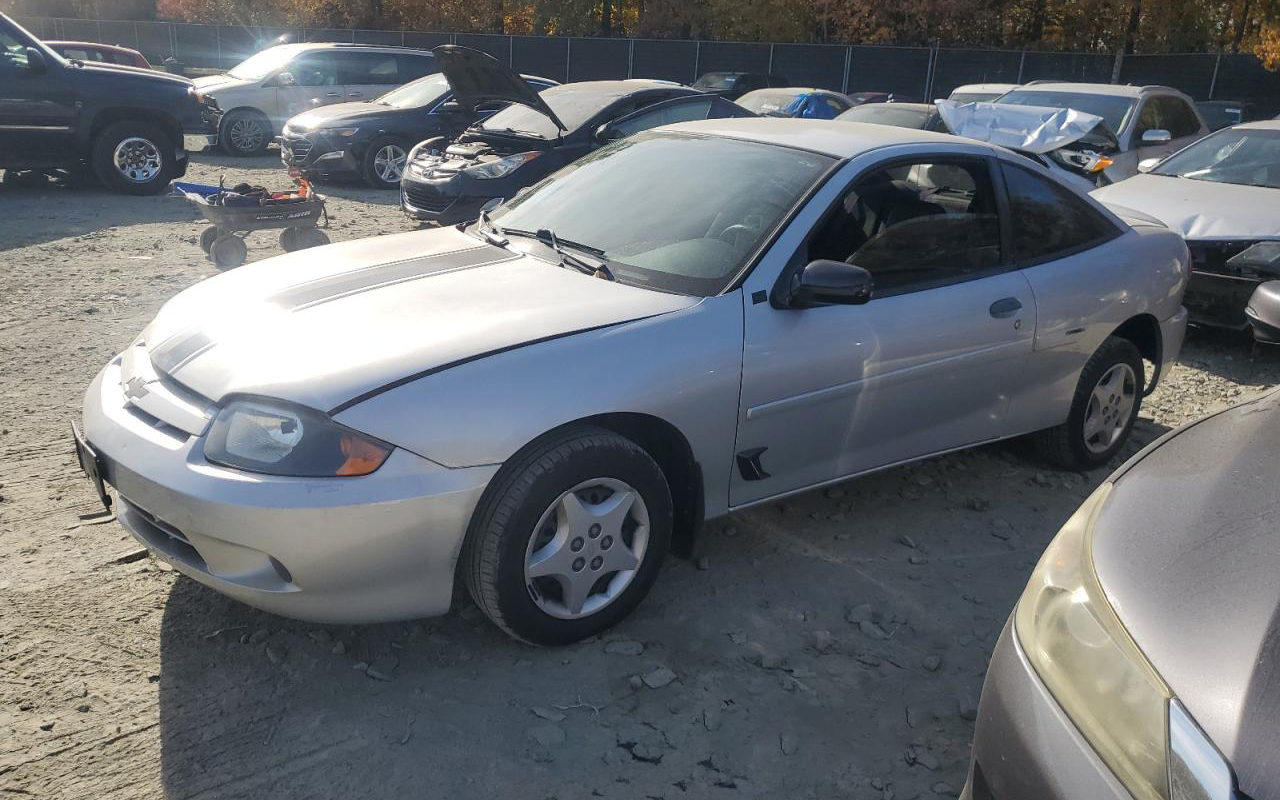
Junkyards That Have OEM Chevrolet Cavalier Parts at 70% Less

Superb Chevy Cavalier Parts at Local junkyards

If you own a Chevrolet Cavalier and need to fix it, you know that car repairs can be really expensive. But what if you could save up to 70% compared to buying brand new parts? The trick is to find used OEM Chevrolet Cavalier parts at your local junkyard. These junkyards offer quality parts for a lot less money. We'll show you the benefits, what you can find, and where to find these great deals.

[sc name="hrz-resp" ][/sc]

Why Buy Used Chevrolet Cavalier Parts?

Used OEM (Original Equipment Manufacturer) parts are reliable and fit perfectly. Here’s why choosing junkyard parts is a smart idea:

  • Affordable: You can save up to 70% compared to new parts.
  • Easy to Find: Junkyards often have a wide selection of Chevrolet Cavalier parts, from doors to ignition switches.
  • High Quality: These are genuine Chevrolet parts, ensuring they fit and work just like the originals.

Junkyards like Pull-A-Part or Pick-n-Pull usually have these parts in good condition, which is great for repairs and replacements.

Common Chevrolet Cavalier Parts You Can Find at Junkyards

Here’s a list of Chevrolet Cavalier parts you can find in junkyards, along with the estimated savings compared to new parts:

PartEstimated Price RangeSavings Compared to New
Front Driver or Passenger Door$50 – $10060-70%
ECU and Ignition Switch$30 – $7060-75%
Front or Back Bumper$40 – $8065-70%
Transmission$150 – $30050-70%
Left or Right Fender$30 – $6060-70%
Engine$200 – $50050-60%
Dashboard Parts and Accessories$10 – $3070-80%

Note: Prices can vary depending on location, part condition, and junkyard rules.

Common Parts You Can Find at Junkyards

  • Doors: Great for fixing dents or replacing damaged doors.
  • ECU & Ignition Switch: Affordable solutions for common electronic problems.
  • Bumpers: Easily replace damaged bumpers at a fraction of the cost.
  • Transmission: Get used transmissions at a fantastic price. For more information, check out finding a used transmission at a junkyard.
  • Engine Components: Find parts like alternators, starters, and power steering pumps for much less than new.
  • Interior Accessories: Dashboard parts, A/C vents, radio bezels, and instrument clusters.

How to Ensure Part Compatibility and Fitment

Model Year Specifics

Different model years of the Chevrolet Cavalier can have slight variations. Make sure to check the specific year of your car when looking for parts. You can verify compatibility by:

  • Matching Model Years: Look for parts from the same model year to avoid fit issues.
  • VIN and Part Numbers: Use your Vehicle Identification Number (VIN) or specific part numbers to find an exact match. Many junkyards can help you search their database using the VIN to ensure the part fits.

Interchangeable Parts

Some parts from other GM vehicles might fit your Cavalier. Ask the junkyard staff if parts from similar models could work for your car. They often use parts interchange systems to find compatible parts across different models.

How to Inspect Parts for Quality

Detailed Inspection Tips

When buying used parts, it's important to check them carefully:

  • Look for Rust or Cracks: Inspect metal parts for rust or cracks, which could weaken them.
  • Check Electrical Parts: Ensure there are no visible burns or broken wires.
  • Wear and Tear: Examine moving parts like pulleys, gears, or joints for signs of wear.

Inventory of Chevy Cavaliers at Local Junkyards

Local junkyards are a treasure trove for Chevrolet Cavaliers and their parts. The inventory can vary, but many junkyards frequently have Cavaliers due to the popularity of the model and its long production run. Here's what you can typically expect when searching for Chevy Cavalier parts at local junkyards:

  • Popular Model Years: Many junkyards carry Cavaliers from the late 90s to early 2000s. These model years are especially common because they were produced in large numbers, and many have reached the end of their life cycle.
  • Online Inventory Searches: Some junkyards offer online inventory tools. You can search for Cavaliers and see which parts are available before you even visit. Websites like U-Pull-It.com often provide such inventory options to save you time.
  • Complete Vehicles vs. Dismantled Parts: You might find complete Cavaliers that haven't been stripped yet, which means you can find a variety of parts in one visit. Some junkyards also list parts that have already been removed, making it easier to grab exactly what you need.
  • Frequent Updates: The inventory of junkyards changes frequently as new cars arrive and existing ones are picked clean. It's a good idea to check back often or join a waitlist if a specific part isn't currently available.
  • Part Conditions: Cavaliers in junkyards may come from vehicles with varying levels of damage. Some were scrapped due to body damage but still have intact engines, transmissions, or other valuable parts. Make sure to thoroughly inspect each part or ask the junkyard staff about the car's history.
https://www.youtube.com/watch?v=QJa-i2U0GF8

By knowing what to expect from local junkyards and keeping an eye on the Chevrolet Cavalier inventory, you increase your chances of finding the parts you need at a great price.

Testing Parts On-Site

If possible, ask the junkyard if they test parts before selling them. Some parts, like starters and alternators, can be tested on-site to make sure they work properly.

Risks and Considerations When Buying Used Parts

Potential Drawbacks

  • Hidden Defects: Some used parts may have hidden defects that aren't immediately visible.
  • No Long-Term Warranty: Most warranties on used parts are limited, usually 30 to 90 days.

Return and Exchange Policies

Always ask about the junkyard’s return or exchange policy before you buy. If a part doesn't work, knowing you can return or exchange it is helpful.

Negotiating Prices at Junkyards

Price Negotiation Tips

Prices at junkyards can sometimes be negotiated. Here are some tips:

  • Do Some Research: Check the typical price of the part online before you go.
  • Bundle Parts: If you are buying multiple parts, ask for a discount on the total.
  • Point Out Defects: If a part has minor defects, you can ask for a lower price.

Legal Considerations

Regulations on Certain Parts

Some parts, like airbags or catalytic converters, may have restrictions due to safety or environmental rules. Check local regulations before buying these parts.

Documentation

Always ask for a receipt when buying used parts. This can be helpful for warranties or for proof if there are any legal issues.

Environmental Benefits of Buying Used Parts

Buying used parts is not only good for your wallet, but it’s also great for the environment. Reusing parts helps reduce waste and saves the energy that would be needed to make new ones. It’s an eco-friendly way to keep your Cavalier running.

Alternatives If Parts Are Unavailable

Other Sources

If you can't find the part you need at a local junkyard, try looking at:

  • Online Salvage Networks: Websites that connect different junkyards across the country.
  • Forums and Classified Ads: Chevy Cavalier forums often have members selling used parts.

Waitlists or Alerts

Some junkyards offer waitlists or alert systems to notify you when a specific part becomes available. This can be helpful if the part you need is rare.

Shipping Options for Non-Local Purchases

If you can't find the part locally, ask the junkyard if they ship parts. Many junkyards will ship parts to you for an extra fee, which can be a great option if you find the part you need far away.

Differences Between Junkyards

Pick-and-Pull vs. Full-Service Junkyards

  • Pick-and-Pull: You remove the parts yourself. This is usually cheaper but requires more work.
  • Full-Service: Junkyard staff remove the parts for you. This is more convenient but can cost a bit more.

Safety Tips for Removing Parts

Safe Removal Practices

  • Disconnect Batteries: Always disconnect the battery before working on electrical parts.
  • Support the Vehicle Properly: If you’re removing parts from under the car, make sure it’s safely supported with jack stands.

Proper Tool Use

Using the right tools can make removing parts safer and easier. Avoid using makeshift tools, which can damage the part or cause injury.

Warranty Details on Used Parts

Understanding Warranties

Most warranties for used parts cover 30 to 90 days and include replacements or refunds if the part is faulty. Be sure to ask what is covered before purchasing.

Extended Warranty Options

Some junkyards offer extended warranties for an extra fee. This can be worthwhile if the part is critical or expensive.

Case Studies or Testimonials

Success Stories

“I bought a used ignition switch for my Chevrolet Cavalier from a local junkyard, and it cost me less than half the price of a new one. It’s been working perfectly for over a year now!” - John D.

Including testimonials like this can help reassure buyers about the reliability of junkyard parts.

Common Mistakes to Avoid When Buying Used Parts

Avoiding Pitfalls

  • Not Checking Part Numbers: Always make sure the part number matches your car to avoid fit issues.
  • Skipping Inspection: Don’t skip inspecting the part. Make sure there are no cracks, rust, or other damage before buying.

Maintenance Tips for Used Parts Post-Purchase

Aftercare

  • Regular Inspections: Check your used parts regularly to make sure they’re still in good condition.
  • Proper Use: Make sure you use the part properly to avoid premature wear or damage.

Frequently Asked Questions

What year did the Chevy Cavalier stop being produced?

The Chevrolet Cavalier was last produced in 2005.

When and why was the Chevy Cavalier discontinued?

The Chevy Cavalier was discontinued in 2005 due to declining sales and the introduction of newer models like the Chevrolet Cobalt, which offered more modern features and improvements.

Are there any modern cars similar to the Chevy Cavalier?

Yes, the Chevrolet Cruze and Chevrolet Cobalt are often considered successors to the Cavalier. They have similar dimensions and target the same market segment.

What are the most common issues with the Chevrolet Cavalier?

Many owners report issues with electrical components, transmission problems, and rust, particularly in older models.

How long does a Chevrolet Cavalier typically last?

With proper maintenance, a Chevrolet Cavalier can last over 200,000 miles. Regular oil changes and timely repairs are key to longevity.

What is the fuel economy of a Chevrolet Cavalier?

The fuel economy varies by model year and engine type but generally ranges from 20 to 30 miles per gallon.

Where can I find affordable used parts for my Chevrolet Cavalier?

Junkyards, online marketplaces, and specialized used parts dealers are great sources for affordable Cavalier parts.

What parts are most commonly replaced on a Chevrolet Cavalier?

Commonly replaced parts include the alternator, starter, fuel pump, and suspension components.

Can I find OEM parts at junkyards?

Yes, many junkyards carry OEM parts that can be more reliable than aftermarket options.

How do I know if a used part is in good condition?

Inspect the part for signs of wear, rust, or damage. Reputable junkyards often test their parts before selling them.

What tools do I need to remove parts from a junkyard vehicle?

Basic tools include wrenches, screwdrivers, pliers, and possibly a jack or jack stands for larger components.

Is there a warranty on used parts purchased from junkyards?

Many reputable junkyards offer warranties ranging from 30 to 90 days on used parts.

How can I find out if a part from another vehicle will fit my Chevrolet Cavalier?

Use interchange systems available at many junkyards or consult online resources that list compatible part numbers across different models.

What are the most reliable parts to buy from a junkyard for a Chevrolet Cavalier?

Reliable parts to buy include body panels, seats, dashboard parts, and engine components like alternators and starters, as these parts typically have longer lifespans.

How can I ensure the quality of used Chevrolet Cavalier parts from a junkyard?

Always inspect parts thoroughly, ask if they have been tested, and buy from reputable junkyards that offer a return policy or warranty.

Are there any common issues with used Chevrolet Cavalier parts from junkyards?

The most common issues involve rust, worn electrical components, and minor damage that could affect function. Always inspect carefully before purchasing.

What are the best practices for installing used Chevrolet Cavalier parts?

Follow the manufacturer's installation instructions, use the right tools, and make sure to properly clean and inspect parts before installation to ensure longevity.

How do I identify the correct parts for my Chevrolet Cavalier model from a junkyard?

Use your VIN, compare part numbers, and consult the junkyard’s parts interchange system to make sure you get the right fit for your specific model and year.

By following these tips and buying used parts from junkyards, you can save up to 70% on repairs for your Chevrolet Cavalier. Whether you need a front bumper, an ignition switch, or even an engine, junkyards are a great place to find affordable, quality auto parts. Visit U-Pull-It.com today to start looking for the parts you need.

https://www.u-pull-it.com/junkyards-oem-chevrolet-cavalier-parts-70-less/?feed_id=43209&_unique_id=673c8285076d0

Monday, November 18, 2024

Honda Accord Parts Goldmine: Why Junkyards are Full of Them (and What Parts to Look For)

Finding high-quality Honda Accord parts at junkyards

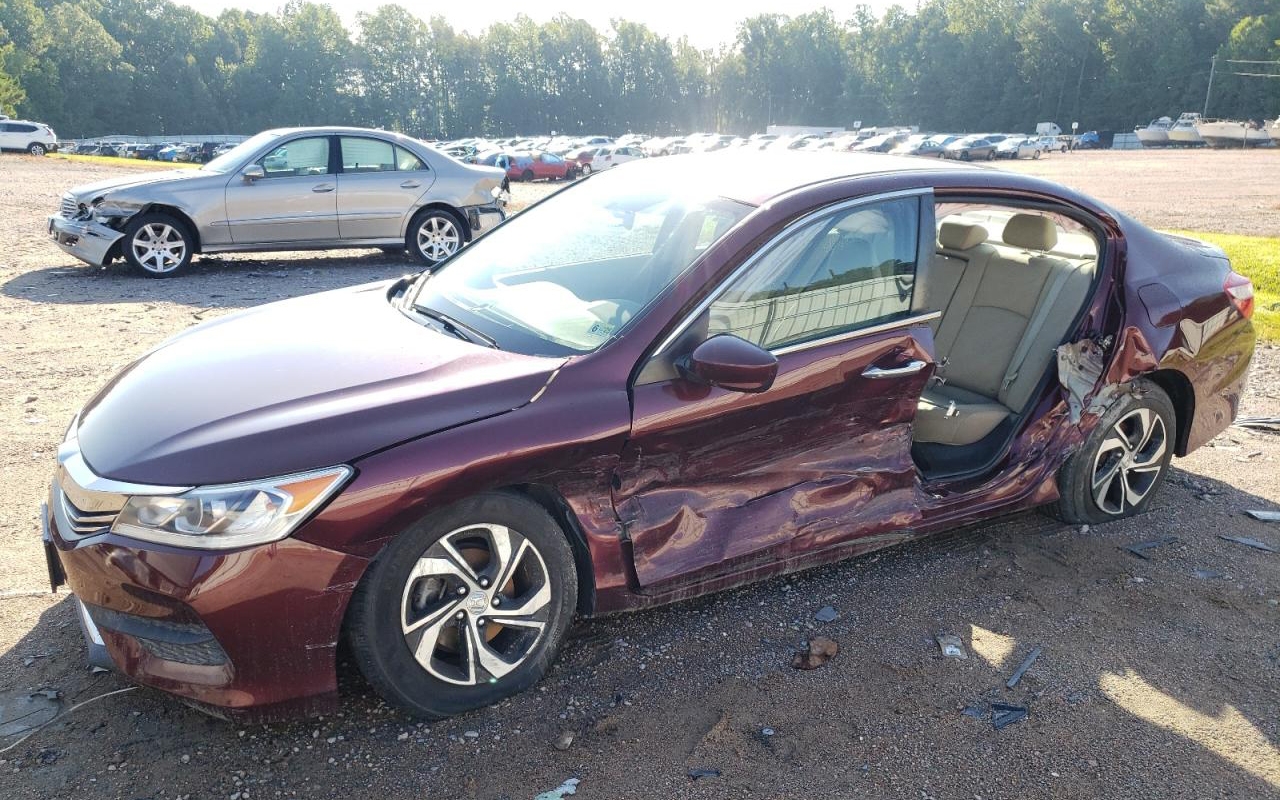
The Honda Accord, including models like the Accord LX and Honda Accord EX, is one of the most popular cars on American roads because it is reliable, lasts a long time, and is easy to maintain. With so many sold over the years, lots of them end up in junkyards. These junkyards are full of affordable OEM used parts, making them a great place for people to save money on repairs. If you drive a Honda Accord, getting parts from a junkyard can save you a lot of money.

In this article, we'll explain why there are so many Honda Accord parts in junkyards, how they get there, and how you can use this to save money and keep your car running smoothly.

Why Do So Many Honda Accords End Up in Junkyards?

Honda Accords end up in junkyards for a few reasons:

  • Accidents: Many Accords are sent to junkyards after accidents, especially if fixing them costs more than the car is worth.
  • Old Age: Some Accords end up in junkyards after they get too old to be useful anymore.
  • Upgrades: Some people upgrade to newer models even though their old Accord still works. These older cars end up in junkyards full of good parts.

These reasons lead to lots of Honda Accords in junkyards, which means a lot of parts are available for people to buy and use.

Top Used Honda Accord Parts to Look For

These parts, including OEM Honda Accord parts, are some of the most commonly needed and valuable because they wear out over time or are frequently damaged in accidents. Finding them at a junkyard can save you a lot of money compared to buying new replacements.

You can find almost any part you need for your Honda Accord, such as OEM Honda parts and used OEM Honda Accord parts, at a local junkyard. Here is a list of the most common parts and how much they might cost:

PartEstimated Price Range
Front Driver Door$50 - $150
ECU and Ignition Switch$40 - $100
Front Bumper$30 - $100
Transmission$300 - $800
Passenger Side Window$20 - $60
Left Fender$25 - $75
Engine$500 - $1,200
Air Flow Housing$15 - $40
Distributor$20 - $60
Tire and Rim$25 - $75
Rear Wheel Hub$20 - $50
Back Seat$40 - $100
Power Steering Pump$30 - $70
Starter$25 - $60

Note: Prices can change based on the condition of the part, the model year, and the specific junkyard.

How to Find the Right Used Honda Accord Parts

To find the best parts for your car, follow these steps:

  1. Find Local Junkyards: Websites like U-Pull-It.com have lists of nearby junkyards where you can find used parts.
  2. Check Parts That Might Fit Other Models: Some parts can be used on different models or years of Honda cars. Junkyards like Pull-A-Part have online systems to help you find these parts.
  3. Look at the Inventory: Some junkyards have an online inventory, so you can check if they have the parts you need before going there.
  4. Make Sure It Fits: Always double-check that the part you want fits your Honda Accord's make, model, and year. You can check your car's manual or ask a mechanic if you're unsure.

Assessing the Quality of Used Parts

Consider bringing a flashlight to help inspect parts in darker areas of the junkyard. This can help you avoid missing signs of damage.

When buying used parts, it is important to make sure they are in good condition. Here are some tips for checking the quality:

  • Visual Inspection: Look for any signs of damage like rust, cracks, or worn-out areas. For example, when inspecting a transmission, check for leaks or unusual wear.
  • Testing Functional Parts: If possible, test electrical parts like starters or ECUs on-site. Make sure to choose quality OEM used parts to ensure they are compatible with your car. If you can't test them, look for signs that they are in good condition, such as clean connections.
  • Ask About the Donor Vehicle: Ask the junkyard staff about the mileage of the car the part came from and why it is in the junkyard. This information can help you decide if the part is worth buying.
https://www.youtube.com/watch?v=3anEVyVo-Nw

Verifying Part Compatibility

To make sure a part will fit your car:

  • Use VIN Numbers: The Vehicle Identification Number (VIN) can be used to verify that a part matches your car's model and year, such as Honda Accord LX, EX, or Sport. Providing the VIN can help ensure you get the correct OEM Honda Accord parts. The VIN is a 17-character code that contains important information about your vehicle. You can provide this number to junkyard staff to confirm compatibility.
  • Consult Compatibility Guides: Many junkyards have compatibility charts or online tools that show which parts can be used for different models and years.
  • OEM vs. Aftermarket Parts: It is usually better to choose OEM parts because they are made specifically for your car and will fit better than aftermarket parts.

Understanding Warranties and Return Policies

Some junkyards offer warranties on parts, especially on engines and transmissions. Here is what you should know:

  • Warranty Length: Warranties can range from 30 to 90 days. They usually cover defects but may not cover labor costs.
  • Return Procedures: Always ask about the return policy before buying. If the part doesn’t work, you should know if you can return or exchange it.

Legal and Ethical Considerations

  • Buy from Reputable Junkyards: Always choose junkyards with good reviews and established reputations to make sure you're getting high-quality, legal parts.
  • Avoid Stolen Parts: Legitimate junkyards will have proper documentation for their inventory. Avoid deals that seem too good to be true, as these could be stolen or low-quality parts.
  • Environmental Regulations: Be mindful of environmental laws when removing parts. Properly dispose of any fluids like oil or coolant at designated facilities to avoid harming the environment.

Visiting a Junkyard: What to Expect

When you go to a junkyard, you should be ready to do some of the work yourself. Here are some things to know:

  • Entry Fee: Some junkyards charge a small fee to enter, usually $1 to $5.
  • Bring Your Tools: Junkyards are often "pull-it-yourself," so you need to bring your own tools. Here are some tools you should bring:
    • Hand Tools: Wrenches, screwdrivers, and pliers.
    • Specialty Tools: Tools like trim removers, breaker bars, and oil to loosen rusted bolts.
    • Safety Gear: Gloves, safety glasses, and kneepads.
  • Personal Protective Equipment (PPE): Wear safety gear like steel-toed boots, gloves, and safety glasses to protect yourself.
  • Safe Lifting Practices: Be careful when lifting heavy parts, and use proper lifting techniques to avoid injuries.
  • Awareness of Surroundings: Watch out for sharp objects, uneven ground, and other hazards common in junkyards.

For a complete list of the best tools to bring, check out our junkyard tool checklist.

Negotiating Prices

When buying used auto parts from a junkyard, you can often negotiate the price. Here are some tips:

  • Check for Special Deals: Junkyards sometimes have special deals or promotions, especially on holidays or weekends. It’s worth asking if there are any discounts available.
  • Price Research: Check prices at multiple junkyards or online to get an idea of what is fair.
  • Bundle Deals: Ask for a discount if you are buying several parts at once.
  • Cash Payments: Some junkyards may offer a discount if you pay with cash.

Why Junkyard Parts Are Often in Great Condition

People might think junkyard parts are worn out, but many are actually in great shape. Here’s why:

  • Good Parts from Wrecked Cars: Cars that have been in accidents often have many OEM used parts that are still good. For example, if the front of the car is damaged, the back seat or power steering pump might still be fine.
  • Low Mileage Cars: Some cars go to junkyards for reasons other than mechanical problems. These cars might have engines, tires, and transmissions that still have lots of life left.

Popular Accessories to Find in a Junkyard

Junkyards with Honda Accords, including the 2000 Honda Accord and other models, also have a lot of accessories you can use, like:

  • Instrument Clusters: You can easily replace a broken instrument cluster.
  • Radio Bezels and Multimedia Systems: Find radios and multimedia systems for much less than a new one would cost.
  • A/C Vents: Small parts like A/C vents can make your car more comfortable.

Environmental Benefits of Buying Junkyard Parts

Buying used parts, such as OEM used Honda Accord parts, helps reduce waste and saves resources. Reusing parts means fewer new parts need to be made, which helps the environment.

Alternative Options

  • Online Salvage Yards: If you can't visit a junkyard in person, websites like Car-Part.com or eBay Motors offer used Honda Accord parts that can be shipped to you.
  • Professional Removal Services: Some junkyards offer services to remove parts for you for an additional fee. This can be helpful if you are not comfortable removing the parts yourself.

Installation Advice

  • DIY vs. Professional Installation: Some parts, such as Honda Accord replacement parts, are easy to install yourself, but others require professional expertise. If you are unsure, consult a mechanic or professional installer.
  • Resources for Installation: Websites like YouTube or Haynes Manuals provide step-by-step instructions for installing many car parts. These guides can be very helpful for DIY installations.

Success Stories and Testimonials

Consider including a brief testimonial from a mechanic or an expert. For example, 'Mike, a professional mechanic with over 20 years of experience, recommends checking junkyards first for quality used parts, especially for older Honda models. He says, "You can often find OEM parts in great condition, and it's much more affordable than buying new."'

  • Real-Life Example: John, a Honda Accord owner from Ohio, saved over $500 by buying a used engine from a junkyard. His car has been running smoothly ever since.
  • Community Resources: Join online Honda forums or local car enthusiast groups to share your experiences and get advice on finding and installing used parts.

Common Mistakes to Avoid

  • Don't Overlook Small Parts: Remember to take all necessary components like bolts or brackets that may not come with the main part but are crucial for installation.
  • Be Cautious with Electronics: Modern cars have complex electrical systems. Make sure any electronic parts are compatible, and consider professional help for installation.

Additional Frequently Asked Questions

Q: How can I make sure the part is in good condition?

A: Check the part for damage or wear. If it's an electrical part, try to test it before buying.

Q: Are junkyard parts reliable?

A: Yes, many junkyard parts are in great condition. Check each part carefully, and ask about warranties. Some junkyards, like Ace Auto Parts, even offer warranties for things like engines and transmissions.

Q: Can I return a part if it doesn't work?

A: Return policies depend on the junkyard. Make sure to ask about returns before you buy.

Q: How do I know if a part will fit my Honda Accord?

A: Use an interchange system, ask the junkyard staff, or check your car's manual.

Q: Is it worth buying used parts from a junkyard instead of new ones?

A: Yes! Used parts cost less and help the environment by reducing the need for new parts.

Q: How early should I arrive at the junkyard?

A: Arriving early gives you the best chance to find quality parts before others take them.

Q: What forms of payment are accepted?

A: Most junkyards accept cash, and some also take credit cards or mobile payments. It's best to call ahead and confirm.

Q: Can I request parts to be held or sourced if not currently available?

A: Some junkyards offer a service to notify you when a part is available or source it from their network. Ask the staff about these options.

By using junkyards to find the right Honda Accord parts, including genuine OEM Honda Accord parts and salvage Honda parts, you can keep your car running well without spending too much. Visit U-Pull-It.com to find trusted junkyards near you and start saving today.

https://www.u-pull-it.com/honda-accord-parts-junkyards-used-parts-to-look/?feed_id=43087&_unique_id=673b360f30e0b