Junkyard Forums is here to blog about the latest on the salvage yard industry, to share and communicate, to bring you the latest from JunkyardForum.com and associated sites.
Carthage Auto Salvage is a one-stop destination for all of your auto needs. Located in the small town of Carthage, Indiana at 9 W Mill Street, this salvage yard has been providing quality service to its customers since it opened its doors in 1999. It specializes in selling used auto parts, scrap metal and other car-related materials at highly competitive prices. The knowledgeable staff is dedicated to helping you find the right part for your vehicle, and they are ready to answer any questions that you may have.
The team at Carthage Auto Salvage takes great pride in their craftsmanship and attention to detail. They understand how important it is for each customer to get exactly what they need in a timely manner and strive to provide the best service possible. They don't just sell parts – they also offer installation services, engine rebuilds and more. The shop features an extensive inventory of used auto parts from a variety of manufacturers and models, as well as new aftermarket performance parts from trusted brands like Bosch, K&N and more.
At Carthage Auto Salvage you will find an impressive selection of junkyard cars that can be used for spare parts or even restoration projects. In addition, they sell scrap metal such as aluminum cans which can be recycled into new products or sold as raw material. With convenient opening hours Monday through Friday from 8am-6pm, Carthage Auto Salvage offers great value on top-notch service with competitive prices. Whether you're looking for a specific part or want to browse their extensive selection of quality auto components, you'll be sure to find something at Carthage Auto Salvage!
[sc name="in-article-ads" ][/sc]
Real customer testimonials
Tim N
Rated this company 5/5
Always a good experience when I go there
Sara Johnson
Rated this company 5/5
Scott, the man who came to tow my junk vans away was so very pleasant. The company itself offered me HUNDREDS more for my junk vans then anyone else I called! And I called 5 other places. I would give the service and Scott 5 stars all across the bored! I am so grateful for such an easy and stress free service! You guys rock!
Beautiful Disaster
Rated this company 5/5
They are always very nice and helpful! Easy to do business with and makes you feel welcome every time. They pay the best on scrap too. Makes it all worth it!
Anthony Lockman
Rated this company 5/5
Staff is polite, professional, and very helpful! It's a pleasure to do business with them!
Austin Dunn
Rated this company 5/5
Cool people, as well as not overwhelmingly busy. Good prices
Junior Auto Repairs in Wilmington, DE provides quality auto repair services and car parts to customers in the area. Located on Garasches Lane, the business has been running for over 25 years and is renowned for its excellent customer service. From oil changes to brake repairs and engine tuning, Junior Auto Repairs has all the necessary tools and expertise to help you keep your car running smoothly. In addition to providing basic auto repairs, they are also a junkyard, salvage yard, scrap metal dealer, and used auto parts store. They have a wide selection of affordable parts that have been carefully tested to ensure quality and performance.
At Junior Auto Repairs, there is a team of experienced mechanics who are ready to diagnose any problem with your vehicle. With their state-of-the-art diagnostic equipment and extensive knowledge of car systems, they can quickly identify the cause of any issue. Their goal is not only to repair the car efficiently but also provide advice about how you can keep your car in peak condition in the future.
Junior Auto Repairs also offer special discounts and promotions throughout the year which makes their services even more attractive! They understand that a functioning vehicle is essential for many people's day to day lives so they strive to deliver quick and reliable repairs at competitive prices. As an added bonus they offer free estimates before any work begins so you know exactly what needs doing and how much it will cost upfront. So if you're looking for reliable automotive service or quality used parts at an affordable price head down to Junior Auto Repairs today!
[sc name="in-article-ads" ][/sc]
Tomson's Scrap Metal is a used auto parts store located at 1100 6th Ave, Brackenridge, PA 15014. This family-owned business has been in operation for decades and specializes in providing quality car parts to DIYers and car aficionados alike. It is a junk yard, salvage yard, and scrap metal dealer all rolled into one. Here you can find anything from engines and transmissions to bumpers and wheels. They also provide services such as welding, recycling of scrap metals, and truck dismantling. Tomson's Scrap Metal is the go-to destination for those looking for top-notch used auto parts at competitive prices. With years of experience in the automotive industry, the owners have developed a reputation for offering quality products that are reliable and dependable. Their large selection of vehicle components makes it easy to find what you’re looking for. Their knowledgeable staff will be more than happy to answer any questions that you may have regarding your purchase or project. Whether you’re an experienced mechanic or just starting out with a new hobby, Tomson's Scrap Metal has the perfect part or accessory to help get your project going!
[sc name="in-article-ads" ][/sc]
Real customer testimonials
Gjuro Gegoski
Rated this company 1/5
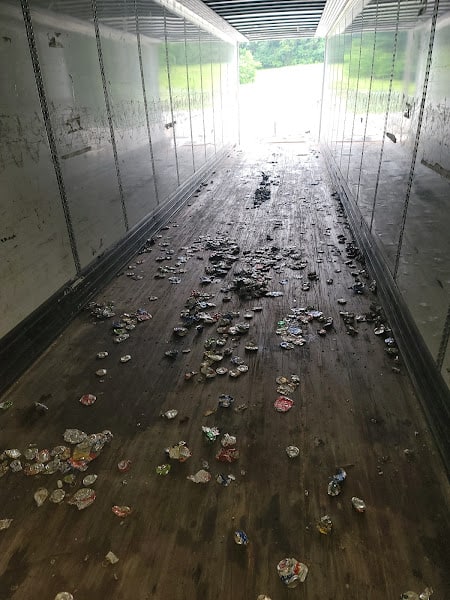
First of all place is located in populated area and hard to get to. Call to ask for directions when coming with a 53ft trailer. Second, place is super tight to back in, if you're a rookie you won't be able to park in there. Third, they'll load you scrap aluminum, mostly cans, floor loaded to the max 45k lbs. It will make your trailer so dirty that you won't be able to pick up your next load if its food grade. My trailer smells like dumpster and its all wet inside because they dont drain their cans. What a shame. Avoid if possible.
Gerald Easley
Rated this company 5/5
Mr. Cousin's was very helpful. He always talk nice to me when I come in with load of scrap into your yards.
Quientin
Rated this company 5/5
They are good people they pay good and my favorite scrap yard to go to
Thomas Meyers
Rated this company 5/5
In and out in no time ! Very helpful
Del Martin Parker
Rated this company 5/5
Very friendly people will even let you get in the Winner's Circle picture with one of their horses
Maine Plastics Inc is a premier automotive parts and services provider located at 1817 Kenosha Rd, Zion, IL 60099. We specialize in car parts, junkyard services, salvage yard operations, scrap metal dealing and used auto parts store services. Our experienced staff will help you find the perfect part or service for your needs and budget.
We maintain an extensive inventory of all kinds of car parts and supplies to make sure that our customers always have access to what they need. Whether you’re looking for something hard to find or just a basic maintenance item, we’ve got it all in our selection. We also specialize in the buying and selling of scrap metal for competitive prices, ensuring that you get the most bang for your buck with every sale.
Our certified technicians are highly skilled in providing a range of repair services for cars and trucks of all makes and models. No matter what your vehicle needs – from body work to engine repair – Maine Plastics Inc has you covered. We also offer state-of-the-art diagnostic tools to ensure accurate diagnosis and fast repairs so that you can get back on the road quickly.
At Maine Plastics Inc., we pride ourselves on providing high quality car parts, junkyard services, salvage yard operations, scrap metal dealing, used auto parts store services at competitive prices. Our knowledgeable staff are here to help you find exactly what you need so don’t hesitate to give us a call today!
[sc name="in-article-ads" ][/sc]
Real customer testimonials
Dan Miller
Rated this company 5/5
Had delivery for next day for 1130am but my guy arrived day before arround 1800pm and they got him unloaded very fast!
Buy a High-Quality Used Muffler from a Junkyard or Salvage Yard.
Buying a used muffler from a junkyard can save you a lot of money. Most mechanics and muffler shops don't want you to know how cheap it can be to buy a good, working muffler for a fraction of the price you'd pay at a dealership. At U-Pull-It.com, we help you find local junkyards where you can get mufflers and other exhaust system parts for almost nothing. Let’s talk about how buying used can save you money, what to look out for, and why a junkyard muffler might be in much better shape than you'd expect.
[sc name="hrz-resp" ][/sc]
Why Choose a Used Muffler?
A used muffler from a trusted junkyard is a great deal, saving you 50-75% compared to buying new. Here’s why getting a used one makes sense:
Big Savings: A new muffler can cost between $100 to $500 depending on the brand and model. By going to a junkyard, you could get a working used muffler for $25-$50. That's enough savings to put gas in your car or pay for other small car repairs.
Lots of Options: Junkyards have a huge inventory of exhaust system parts, including mufflers for older vehicles and cars that are no longer being made. If you need parts for a Ford or an old Chevy, junkyards are the place to look.
OEM Quality at a Lower Price: Many parts in junkyards come straight from OEM (Original Equipment Manufacturer) vehicles, so you know they are high quality and fit well. The used muffler you get from a junkyard could be the exact part that came with your car from the factory.
Good for the Environment: Buying a used muffler means fewer parts end up in the landfill. Reusing parts helps the planet by reducing waste. It’s not just good for your wallet; it’s good for the Earth too.
Compatibility and Fitment
Before you head to a junkyard, it’s important to make sure the muffler you’re buying will fit your vehicle. Here are some tips to ensure a good fit:
Vehicle Specifications: Write down your car’s make, model, year, and engine size. This information is crucial for finding a compatible muffler.
Part Numbers: Look for the OEM (Original Equipment Manufacturer) part number of your muffler. You can match this number to mufflers at the junkyard to make sure it fits.
Consulting Experts: If you’re unsure, ask the junkyard staff. They often have lots of experience with parts and can help you find the right fit. You can also check online forums where other car owners discuss compatible parts.
Why Are Junkyard Mufflers Often in Great Condition?
People often think junkyard parts are in bad condition, but that's not always true. Here’s why mufflers from junkyards are often still in great shape:
Accident Cars: Many vehicles in junkyards end up there because of accidents. The muffler and exhaust system often aren’t damaged at all, which makes them great for reuse.
Regular Maintenance: Cars end up at junkyards for lots of reasons, and it’s not always because of the exhaust system. Many owners took good care of their cars, so the muffler might still be in great condition.
Better Climate: Mufflers from areas without harsh winters or salty roads usually have less rust or corrosion. This makes parts from those areas a great choice.
Common Muffler Issues and What to Look Out For
When buying a used muffler, it’s important to know the common problems and how to check for them:
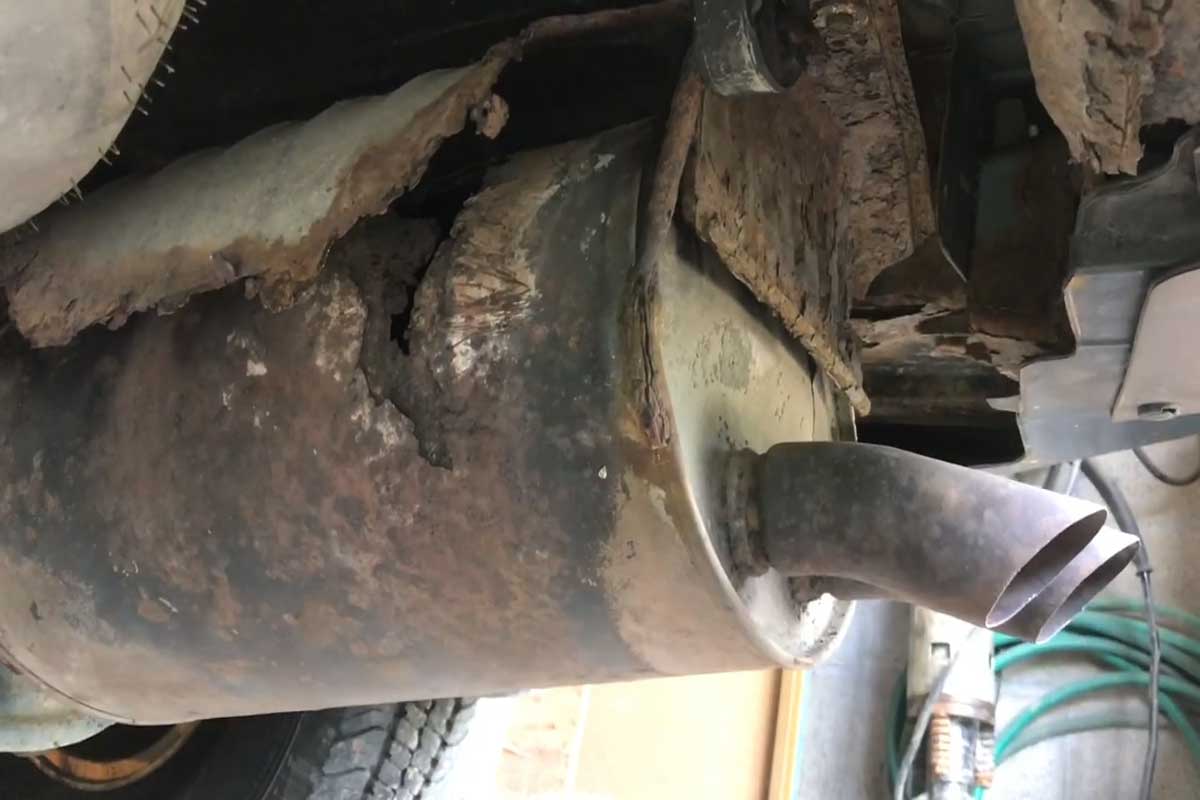
Rust and Corrosion: Rust is the biggest enemy of mufflers. Look for visible rust spots or holes, especially around the joints and seams. Most junkyards will let you take a close look or even exchange it if it turns out to be faulty.
Physical Damage: Check for dents or cracks. Most junkyards store parts carefully, but it’s always good to double-check before buying.
Broken Internal Parts: Shake the muffler gently. If you hear a rattling sound, it could mean the internal parts are broken, which would make the muffler less effective.
Exhaust Leaks: Check all the connection points for any cracks or areas where leaks might happen. Even a small leak can reduce engine performance and make loud noises.
Internal Condition: Use a flashlight to look inside the muffler for corrosion or debris. Rusty insides mean the muffler might not last long.
Bring Your Old Muffler: If possible, take your old muffler with you to the junkyard. It will help you compare and make sure the new one matches the size and shape of your original muffler.
Understanding Muffler Types
There are different types of mufflers, and knowing which one you need can help you make the best choice:
Chambered Mufflers: These use internal chambers to reduce noise and are commonly found in muscle cars for that classic rumble.
Turbo Mufflers: They use a series of perforated tubes and offer a balance between noise reduction and performance.
Straight-Through Mufflers: These have a straight, perforated pipe wrapped in sound-absorbing material. They are ideal for better performance but are usually louder.
Tools You Need When Picking a Muffler at a Junkyard
Junkyards are usually self-service, so you need to bring some basic tools with you to take the muffler off the car:
Socket Set: To remove the bolts that hold the muffler to the exhaust pipe.
Wrenches: These can help loosen tight nuts.
Penetrating Oil: To loosen rusted or stuck bolts.
Hacksaw or Exhaust Pipe Cutter: You might need to cut some parts if they are rusted or welded together.
Exhaust Hanger Pliers: These can help you remove the muffler hangers without damaging anything.
For more information on the tools you need for junkyard finds, check out our detailed guide here.
Prices of Other Used Exhaust Parts at Junkyards
Used mufflers aren’t the only cheap option. Here are some average prices for other exhaust system parts you can find at junkyards:
Part
Average Price ($)
Exhaust Manifold
$30-$75
Resonator
$20-$40
Exhaust Pipes
$15-$40
Tailpipe (Exhaust Tip)
$10-$25
Oxygen Sensors
$15-$30
Heat Shields
$10-$25
These parts are often much cheaper than what you'd pay at a muffler shop or dealership. Getting parts from your local junkyard gives you great value while still keeping your vehicle running well.
Why Junkyards Are a Great Place for Exhaust System Parts
Easy to Find: Finding a junkyard is easy by searching on U-Pull-It.com. Our directory helps you find the closest junkyards that have lots of used auto parts.
Part Swapping Made Simple: Many junkyards have interchange databases that help you see if a part from a different car will fit yours. This gives you more options if they don’t have your exact car model.
DIY Fun: Salvage yards are often DIY-friendly. You can have fun removing the part yourself, save money on labor, and learn more about how your car exhaust works.
Safety First: Precautions When Visiting a Junkyard
Wear Protective Gear: Gloves, safety glasses, and durable shoes are essential to protect yourself.
Be Aware of Surroundings: Watch out for uneven ground, oil spills, and sharp metal edges.
Follow Junkyard Rules: Respect all posted signs and instructions from staff to ensure a safe visit.
Legal and Environmental Considerations
When purchasing a used muffler, it's crucial to ensure that it complies with local laws and environmental regulations.
Emissions Standards: Check if the muffler meets your state's emissions requirements. Using a muffler that doesn't comply could result in failing an emissions test.
Noise Ordinances: Some areas have strict laws about vehicle noise levels. Ensure the muffler doesn't increase your car's noise beyond legal limits.
Catalytic Converter Laws: Remember that while mufflers can be replaced with used parts, catalytic converters often have strict regulations prohibiting the use of used units.
Installation Guidance
After getting your used muffler, you need to install it. Here’s how to decide if you should DIY or get a pro to help:
DIY vs. Professional Help: If you’re good with tools, you can install the muffler yourself. Otherwise, it might be worth paying a mechanic to do it right.
Extra Parts Needed: You might need extra parts like gaskets, clamps, or hangers. Ask the junkyard if they have these available.
Installation Steps: You’ll need to remove the old muffler, attach the new one, and make sure all connections are tight. If you’re not sure, look up online tutorials or find a video to guide you through the steps.
https://www.youtube.com/watch?v=TWIl6VdSc3w
Planning Your Junkyard Trip
Call Ahead: Confirm that the junkyard has vehicles matching your car's make and model.
Go Early: Arriving when the junkyard opens gives you more time and a better selection.
Bring Cash: Some junkyards may not accept credit cards, so it’s always a good idea to have cash on hand.
Potential Downsides to Consider
Time Commitment: Be prepared to spend several hours searching and removing parts.
Limited Warranties: Understand that warranties may be short-term or non-existent.
Risk of Hidden Issues: Despite careful inspection, some defects may not be apparent until installation.
Getting the Best Deal
Negotiate: Don't hesitate to ask for a better price, especially if purchasing multiple items.
Ask About Fees: Inquire about any additional costs upfront to avoid surprises.
Payment Options: Bring cash as some places might not accept cards or checks.
Other Places to Find Used Mufflers
Online Platforms: Websites like eBay and Craigslist often have used mufflers for sale.
Auto Swap Meets: Local events where you can find parts and negotiate prices.
Repair Shops: Some mechanics sell used parts from vehicles they've serviced.
What to Do with Your Old Muffler
Recycle It: Many scrap metal recyclers will accept old mufflers.
Environmental Responsibility: Proper disposal prevents harmful materials from polluting the environment.
Choosing the Right Muffler for Your Needs
Standard vs. Performance: Decide if you want a basic replacement or an upgrade for better sound and performance.
Material Matters: Stainless steel mufflers resist rust better but may be more expensive than aluminized steel.
https://www.youtube.com/watch?v=nU6mY123AOY
Balancing Quality and Cost
Reputable Brands: Look for brands like Walker, Flowmaster, or MagnaFlow when possible.
Long-Term Savings: A slightly more expensive, higher-quality muffler can save money over time by lasting longer.
Frequently Asked Questions
1. Is a used muffler really worth buying?
Yes! If you inspect it carefully, a used muffler can work just as well as a new one but at a much lower cost. Just check for rust and broken parts.
2. How much can I save by buying a used muffler?
On average, you can save 50-75% compared to buying a new muffler. Used mufflers usually cost between $25-$50, while new ones can cost $100-$500.
3. Are junkyard mufflers reliable?
Yes, many junkyard mufflers come from cars that were in accidents but had no issues with their exhaust systems. They are often OEM parts and work perfectly fine.
4. Do junkyards offer warranties on mufflers?
Many junkyards offer limited warranties, usually from 30 to 90 days, which cover defects in the part but not labor costs. It’s a good idea to ask before you buy.
5. How do I find a junkyard near me?
You can easily find local junkyards by visiting U-Pull-It.com. We list thousands of junkyards to help you find what you need.
6. How long will a used muffler last?
A used muffler can last several years if it’s in good shape. It depends on how much rust it already has and how well it was taken care of.
7. What signs show that a muffler needs replacement?
If your car sounds louder than usual, has visible rust holes, or if you see a drop in engine performance, it’s probably time to replace the muffler.
Buying a used muffler is an easy and affordable way to fix exhaust system problems. Whether you need to replace a rusty muffler or just want to save money on car repairs, junkyards have the parts you need at unbeatable prices. Don’t let your mechanic overcharge you for something you can get yourself—check out U-Pull-It.com to find your next used muffler and get back on the road for less.
car parts,junkyard,salvage yard,scrap metal dealer, used auto parts store
[sc name="in-article-ads" ][/sc]
Real customer testimonials
Joshua Quave
Rated this company 4/5
I just want to say I brought my copper to Owens last week and the young guy that helped me was very helpful! It was professional from the time I pulled up till the time I left and went back 3 days to get my check and everybody was very helpful. Well done Owens
Virginia Grayson
Rated this company 1/5
The Old Guy Is RUDE AS HELL.... When I Left There... I Noticed My Car Wasn’t Sounding Rite.... When I Stopped & Looked At My Tired.... There Was A Big Bolt or Somethin That Was Stuck In My Tire... & When I Called & Told Them Bout It.... 10 Mins After I Left There.... The Guy Tells Me That He Takes His “METAL DETECTOR” & Get Up ALL THE METAL UP... I Told Him That He Had MISSED A SPOT & My Tire Is Goin FLAT ON ME.... Well They ARE NOT RESPONSIBLE 4 ANYTHING THAT HAS HAPPEN.... I SAID.... MY GOSH I JUST LEFT THERE 10 Mins Ago.... It’s NOT LIKE IM CALLING AN HOUR LATER & Saying This... But I’ll NEVER GO THERE AGAIN....
rachel walker
Rated this company 5/5
The guy in the office could give a smile, I'm sure it wouldn't hurt him. But yea, thanks for your quality service from the guy who took our beer cans. Very nice guy.
Jim Allen 'll. juju
Rated this company 5/5
Best scrap yard around. Great service and always Best price around.
Vicki Lizana
Rated this company 5/5
Love the place. Very friendly. They make you feel like family instead of outcasts.Top prices. Great local business.
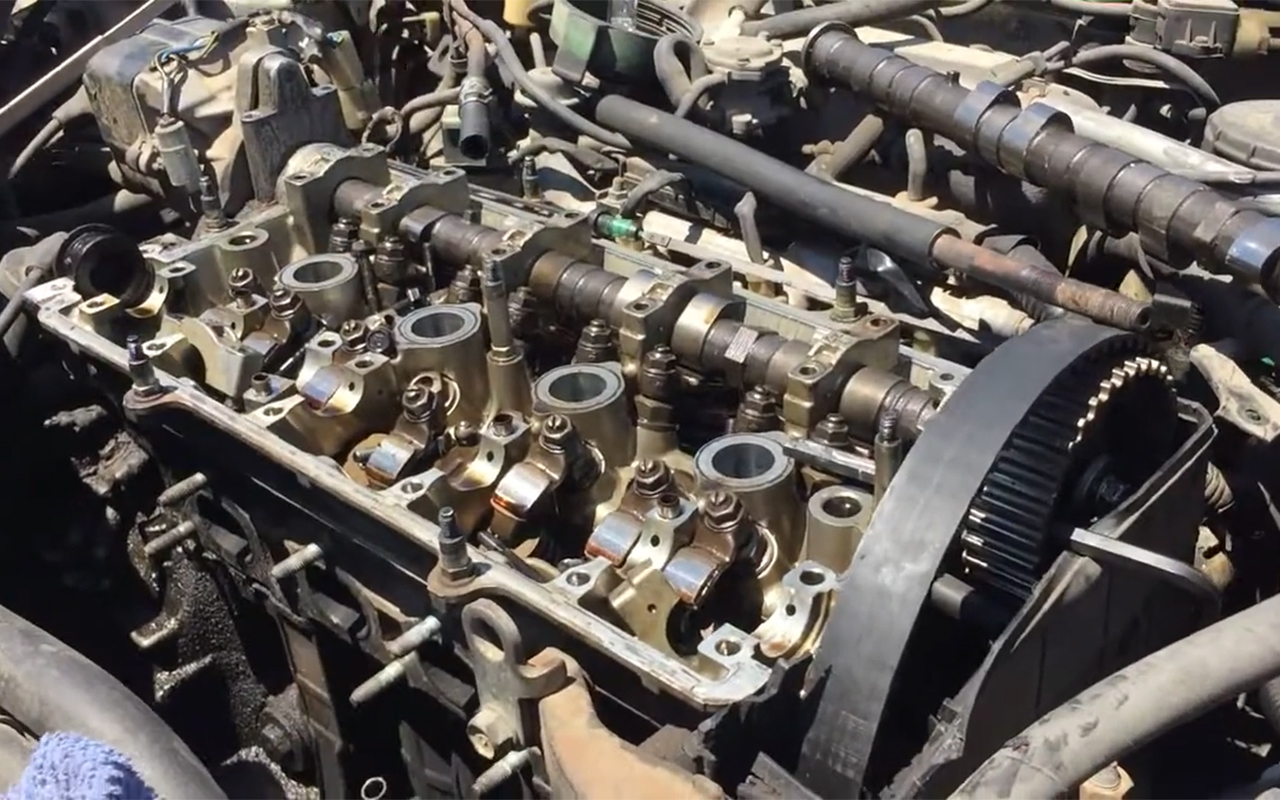
Buying Used Engine Camshafts from Junkyards: Tips and Tricks for Success
Buying a used engine camshaft from a trusted junkyard can save you time and money. Whether you're fixing your engine or replacing a broken camshaft, getting a used part from a local junkyard is usually the cheapest way to get your car working again. In this guide, we will cover everything you need to know about junkyard camshaft shopping—from finding the right part to understanding why used auto parts are a good choice.
[sc name="hrz-resp" ][/sc]
Why Choose a Junkyard for a Camshaft?
Buying a used camshaft from a junkyard can save you up to 80% compared to buying a brand-new one. Most junkyards sell used camshafts for $21.25 to $24.00, while new camshafts can cost hundreds of dollars. These big savings make junkyards a good option for those looking to buy an engine, especially for people who like fixing up cars without spending too much.
Benefits of Junkyard Camshafts:
Cost Savings: Used camshafts are much cheaper. New parts can cost several times more than what you would pay at a junkyard.
Availability: Junkyards usually have lots of different parts, so you don’t have to wait for delivery.
OEM Quality: Many parts from junkyards are OEM, which means they were made specifically for the vehicle you're fixing.
Most cars in junkyards end up there because of accidents, insurance write-offs, or just old age. The important thing is that many parts—especially engine parts—are still in great condition when the car arrives.
Low-Mileage Donor Cars: Many cars in junkyards were in accidents that didn’t damage the engine. Camshafts, which are inside the engine, are often completely fine.
Regular Maintenance: Some cars are scrapped because of old age or minor problems like electrical issues. But these cars might still have well-maintained engines with good parts.
Knowing why camshafts fail can help you pick a good used one and avoid hidden defects that could affect your rebuild. Here are some common reasons why camshafts fail:
Improper Lubrication: Not enough oil or dirty oil can cause the cam lobes and bearings to wear out fast.
Mechanical Interference: Installing the camshaft wrong can lead to physical damage, like broken pins or hitting other engine parts.
Excessive End Play: Bad installation or worn thrust plates can cause the camshaft to move too much, which can damage it.
Tip: When buying a used camshaft, make sure the donor vehicle was well-maintained and that the camshaft wasn’t the reason the car was scrapped.
Camshaft Cost Comparison Table
To help you understand the cost benefits of buying a used camshaft from a junkyard, here is a comparison of the costs between new and used camshafts:
Part Type
Average Cost at Junkyard
Average Cost New
Used Camshaft
$21.25 - $24.00
$200 - $500
New Camshaft
Not Available
$200 - $500
How to Find the Right Camshaft at a Junkyard
To find the right camshaft at a junkyard, follow these steps:
Use the Junkyard's Interchange System: Many junkyards have systems that tell you which camshafts will fit your car. Using the wrong camshaft can damage your engine, so it's important to check compatibility.
Inspect Thoroughly: Look for wear on the cam lobes, oil buildup, and signs of damage. If the lobes are worn or pitted, the camshaft won’t work well and will hurt engine performance.
Check Mileage: It's essential to verify the mileage to ensure the internal components are in good condition.: Low mileage cars are always a better choice for finding good engine parts.
Part Numbers and Engine Codes: Always verify the camshaft’s part number or casting number against your vehicle's specifications to ensure compatibility with your existing gasket. Even small differences can affect engine performance or cause damage.
Manufacturer Specifications: Check the vehicle’s service manual or OEM specs to ensure compatibility, including timing profiles and sensor gear configurations.
When buying a camshaft, it's important to carefully inspect it to make sure it's still in good condition.
Measuring Wear and Tolerances: Use tools like micrometers or dial indicators to measure the camshaft lobes and journals. These measurements help you check for wear. Make sure the readings are within the acceptable limits found in your vehicle’s service manual.
Checking for Surface Defects: Look for cracks, scoring, or pitting on the lobes, bearings, and journals. You can also use a method like magnetic particle inspection to check for hidden cracks that may not be visible to the eye.
Types of Camshafts
There are different types of camshafts, and it’s important to understand the differences:
Overhead Valve (OHV) vs. Overhead Cam (OHC): OHV engines have the camshaft located inside the engine block, while OHC engines have the camshaft located above the cylinder head.
Single Overhead Cam (SOHC) vs. Double Overhead Cam (DOHC): SOHC engines have one camshaft per head, while DOHC engines have two. Knowing the type of camshaft your engine uses is important when shopping for a replacement.
Performance vs. Stock Camshafts: Performance camshafts are designed for more power and higher RPMs, while stock camshafts are standard and offer regular performance. Make sure to get the type that fits your needs.
Preparing for a Junkyard Visit
Before you head to the junkyard, make sure you are prepared. Here’s what you need:
Tools to Bring:
Socket set and ratchet
Screwdrivers
Pliers
Camshaft puller (if needed)
Pry bar
Micrometer or Dial Indicator: To measure camshaft wear.
Safe Removal Practices: Disconnect the battery, drain the oil if necessary, and be cautious of surrounding engine components while removing the camshaft. Avoid causing any damage to the part or the engine.
Clothing: Wear strong clothes, gloves, and closed-toe shoes. Removing parts like a camshaft can be messy, especially in "U-Pull-It" junkyards.
Parts Bag: Bring a bag to carry your camshaft and any other parts you might need to take.
When inspecting a camshaft, here are the key things to check:
Lobe Condition: Look at the cam lobes for pitting, scoring, or uneven wear. These issues mean the camshaft might have had lubrication problems or other mechanical failures.
Oil Buildup: Too much oil buildup can mean the part was not properly maintained.
Bent Shaft: Make sure the shaft is straight. A bent camshaft can cause major engine problems and should be avoided.
Professional Evaluation: If possible, take the camshaft to a machine shop for a professional inspection. They can check for straightness, surface hardness, and perform any needed reconditioning, like polishing or grinding.
If the camshaft passes these checks, it should be in good shape and ready to use in your engine.
Warranty Coverage for Used Parts
Most junkyards offer a 30-day warranty on used parts, including camshafts. Always ask about the warranty before buying. LKQ Pick Your Part, for example, offers a 90-Day Worry-Free Guarantee on many parts, making them a reliable choice.
Safe Removal: Be sure to disconnect the battery, drain oil if needed, and carefully remove any parts blocking access to the camshaft.
Preparation for Installation: Clean the used camshaft thoroughly, inspect for any debris, and apply assembly lube to all lobes and journals. Replace other components like lifters, bearings, or seals if necessary to ensure smooth performance.
Potential Risks and Mitigation Strategies
Hidden Defects: Used parts may have hidden issues. To avoid this, buy from reputable junkyards that offer warranties or return policies.
Signs of Engine Failure in Donor Vehicle: Look for signs like oil starvation or overheating in the donor vehicle, which can damage the camshaft.
Alternative Sourcing Options
Online Salvage Networks: If your local junkyard doesn’t have the right camshaft, consider using online junkyard databases or automotive forums.
Aftermarket vs. Used OEM Parts: Weigh the pros and cons of used OEM camshafts and new aftermarket parts. Consider factors like cost, quality, and warranty.
Cost-Saving Strategies
Negotiating Prices: You can often negotiate prices at junkyards, especially if you point out wear on parts or buy multiple items.
Bulk Purchases: Purchasing other related parts may help you get a discount on your total purchase.
Enhanced Safety Precautions
Personal Protective Equipment: In addition to gloves and sturdy clothing, wear safety glasses and steel-toed boots to protect against injury.
Junkyard Safety Rules: Follow junkyard safety guidelines and stay alert for stacked vehicles and heavy parts.
Break-In Procedures
Proper Break-In: After installing a camshaft, follow the proper break-in procedure. Use high-quality engine oil, maintain specific RPMs for the first 20-30 minutes, and monitor the engine closely during this period to ensure the camshaft seats correctly.
Frequently Asked Questions
1. How do I know if a junkyard camshaft is compatible with my engine?
Use the junkyard's parts interchange system or ask a staff member to make sure it's compatible. The camshaft needs to match your engine's specifications, including timing and lobe placement.
2. What tools do I need to remove a camshaft at a junkyard?
You will need a socket set, screwdrivers, pliers, a pry bar, maybe a camshaft puller, and a micrometer or dial indicator to measure wear. Be sure to bring gloves and a bag to carry your parts.
3. Are used camshafts from junkyards reliable?
Yes, if they come from a low-mileage car and show no signs of damage or wear. Junkyards often have well-maintained parts, especially if the car was scrapped for reasons not related to engine failure.
4. Is there a warranty for used camshafts?
Many junkyards offer a 30-day warranty. Some, like LKQ Pick Your Part, offer extended warranties for extra peace of mind.
5. Can I reuse my existing lifters with a used camshaft?
It’s usually not a good idea to reuse old lifters with a different camshaft because they could cause uneven wear. Always check the condition of the lifters and replace them if needed.
6. How much money can I save buying a used camshaft from a junkyard?
Used camshafts usually cost $21.25 to $24.00. Compared to new camshafts that can cost hundreds of dollars, you save a lot.
Ready to find your used camshaft and save big? Visit U-Pull-It.com to find a junkyard near you and start shopping today!
 Carthage Auto Salvage is a one-stop destination for all of your auto needs. Located in the small town of Carthage, Indiana at 9 W Mill Street, this salvage yard has been providing quality service to its customers since it opened its doors in 1999. It specializes in selling used auto parts, scrap metal and other car-related materials at highly competitive prices. The knowledgeable staff is dedicated to helping you find the right part for your vehicle, and they are ready to answer any questions that you may have.
The team at Carthage Auto Salvage takes great pride in their craftsmanship and attention to detail. They understand how important it is for each customer to get exactly what they need in a timely manner and strive to provide the best service possible. They don't just sell parts – they also offer installation services, engine rebuilds and more. The shop features an extensive inventory of used auto parts from a variety of manufacturers and models, as well as new aftermarket performance parts from trusted brands like Bosch, K&N and more.
At Carthage Auto Salvage you will find an impressive selection of junkyard cars that can be used for spare parts or even restoration projects. In addition, they sell scrap metal such as aluminum cans which can be recycled into new products or sold as raw material. With convenient opening hours Monday through Friday from 8am-6pm, Carthage Auto Salvage offers great value on top-notch service with competitive prices. Whether you're looking for a specific part or want to browse their extensive selection of quality auto components, you'll be sure to find something at Carthage Auto Salvage!
[sc name="in-article-ads" ][/sc]
Carthage Auto Salvage is a one-stop destination for all of your auto needs. Located in the small town of Carthage, Indiana at 9 W Mill Street, this salvage yard has been providing quality service to its customers since it opened its doors in 1999. It specializes in selling used auto parts, scrap metal and other car-related materials at highly competitive prices. The knowledgeable staff is dedicated to helping you find the right part for your vehicle, and they are ready to answer any questions that you may have.
The team at Carthage Auto Salvage takes great pride in their craftsmanship and attention to detail. They understand how important it is for each customer to get exactly what they need in a timely manner and strive to provide the best service possible. They don't just sell parts – they also offer installation services, engine rebuilds and more. The shop features an extensive inventory of used auto parts from a variety of manufacturers and models, as well as new aftermarket performance parts from trusted brands like Bosch, K&N and more.
At Carthage Auto Salvage you will find an impressive selection of junkyard cars that can be used for spare parts or even restoration projects. In addition, they sell scrap metal such as aluminum cans which can be recycled into new products or sold as raw material. With convenient opening hours Monday through Friday from 8am-6pm, Carthage Auto Salvage offers great value on top-notch service with competitive prices. Whether you're looking for a specific part or want to browse their extensive selection of quality auto components, you'll be sure to find something at Carthage Auto Salvage!
[sc name="in-article-ads" ][/sc]


 Tomson's Scrap Metal is a used auto parts store located at 1100 6th Ave, Brackenridge, PA 15014. This family-owned business has been in operation for decades and specializes in providing quality car parts to DIYers and car aficionados alike. It is a junk yard, salvage yard, and scrap metal dealer all rolled into one. Here you can find anything from engines and transmissions to bumpers and wheels. They also provide services such as welding, recycling of scrap metals, and truck dismantling. Tomson's Scrap Metal is the go-to destination for those looking for top-notch


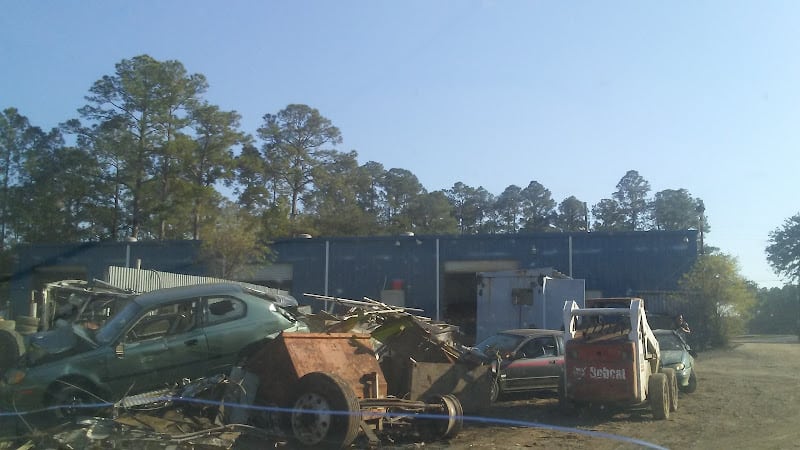 car parts,junkyard,salvage yard,scrap metal dealer, used auto parts store
[sc name="in-article-ads" ][/sc]
car parts,junkyard,salvage yard,scrap metal dealer, used auto parts store
[sc name="in-article-ads" ][/sc]