Showing posts with label UNCATEGORIZED. Show all posts

Wednesday, November 20, 2024

Electric Vehicle Parts in Junkyards: What's Available and What to Look For

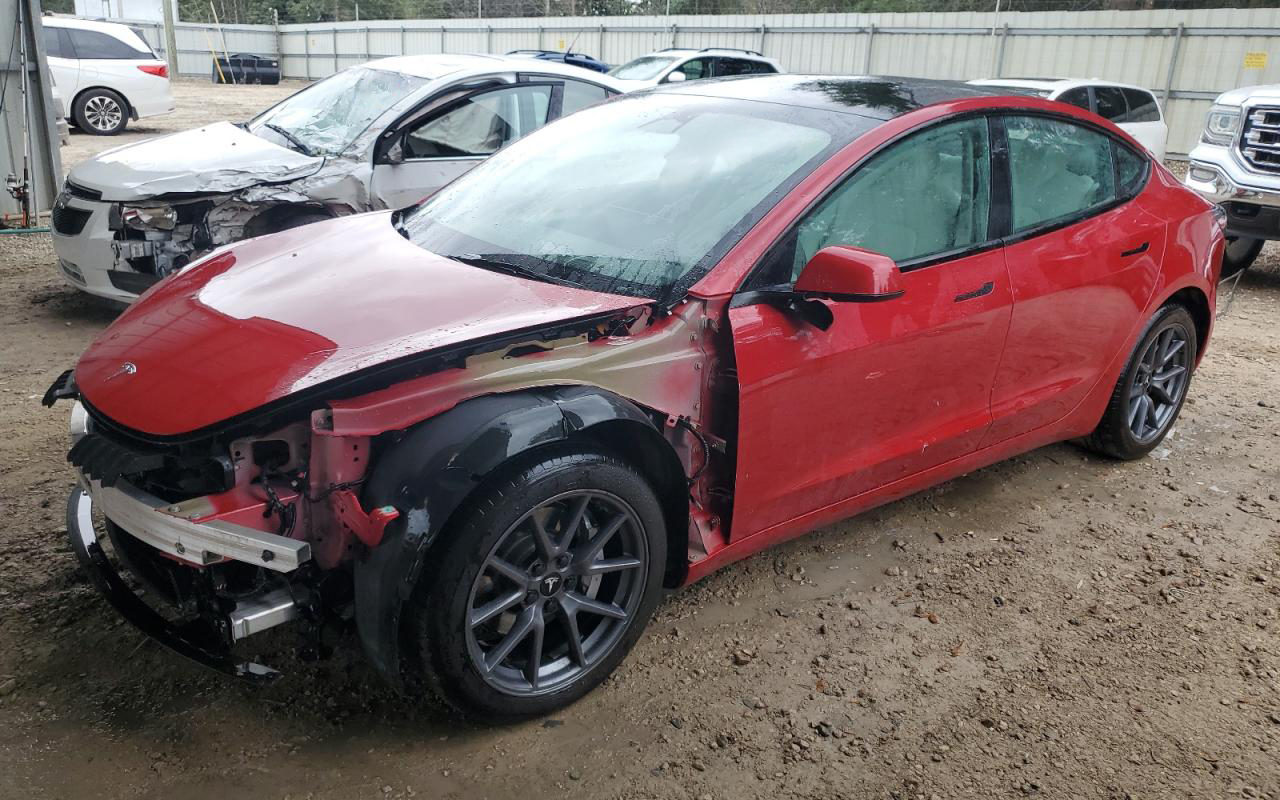
Electric vehicles (EVs) are becoming more popular, and as more of them hit the road, some eventually end up in junkyards near you just like regular cars. However, EVs are a bit different, and you need to know some key things about buying and handling their parts. This guide will help you learn about the electric vehicle parts you can find in junkyards, what to look for, and how these parts can help you save money on repairs. Let’s check it out!

[sc name="hrz-resp" ][/sc]

Why Electric Vehicle Junkyards Are Different

EV junkyards are different from regular junkyards because they require special skills to handle certain parts, like high-voltage batteries. Not every junkyard is set up for this, but many are learning how to work with these newer cars. Here’s why EV junkyards are unique:

  • High-Voltage Skills: Handling EV batteries and motors is tricky. Workers need special training to do it safely.
  • Fewer EVs Available: Since EVs are relatively new, there aren’t as many in junkyards yet compared to regular cars.
  • Special Parts: EVs have unique components like inverters, battery packs, and electric motors that you won’t find in traditional gas cars.

These differences mean finding used EV parts in junkyards can be harder, but it’s usually worth it because of the money you can save.

Common Electric Vehicle Parts Found in Junkyards

There are lots of EV parts you can find in junkyards, and buying them used can save you a lot compared to buying new ones. Here are some parts you might find:

1. Battery Components

  • Battery Modules: These are smaller sections of the main battery that can be reused in other projects or as replacements.
  • Battery Management System (BMS): This part helps the battery work properly by controlling how it charges and discharges. You might be able to find these used.
  • Cooling Systems: EV batteries need cooling to prevent overheating. Junkyards often have these cooling parts available.

2. Electric Motors and Drivetrain

  • Traction Motors: These motors make the wheels turn. Motors from cars that were in accidents can often still work well.
  • Inverters: Inverters convert the battery's power from DC to AC for the motors. A used inverter can save you a lot of money.
  • Reduction Gears: These gears control the speed from the motor to the wheels and are often still usable.

3. Charging Components

  • Onboard Chargers: These let you charge your EV at home. You can find used ones at a good price.
  • Charging Ports: Charging ports can wear out but are sometimes available in junkyards.
  • DC-DC Converters: These convert high voltage into lower voltage for other parts of the car.

4. Wear and Tear Items

  • Tires: EVs use up tires faster because they have more power. Junkyards often have good tires available for much less money.
  • Suspension Parts: Because EVs are heavier, parts like shocks and struts wear out faster. Junkyards usually have these parts in decent condition.
  • Windshield Wipers & Cabin Air Filters: These are easy to find and replace from a junkyard.

5. Body and Interior Parts

  • Body Panels and Fenders: EVs have some special body parts, like fenders, that protect the wheels and keep the car looking good. Some fenders also have sensors that help with driving. When buying a fender, make sure it doesn’t have cracks, rust, or damaged mounting points. Learn more about buying used car body parts like fenders here. EV-Specific Fender Considerations
  • Material Differences: EV fenders are sometimes made of lighter materials like aluminum or composites to save weight. Be aware of this when shopping for a used fender.
  • Integration with Technology: Some EV fenders have sensors or cameras for advanced safety features. Be sure to check these parts carefully to avoid damaging anything important.
  • Interior Components: Things like floor mats, dashboards, and infotainment screens can often be found in junkyards. Learn more about dashboard parts here.
  • Accessory Trays and Floor Mats: These are easy to find and can be cheap to replace.

6. High-Value Components

  • Traction Batteries: The big battery packs in EVs are very valuable. Sometimes you can find them to use parts of them.
  • Electric Motors: These motors can be reused in other projects or resold.

Why Buy EV Parts From Junkyards?

There are many reasons to buy EV parts from junkyards:

  • Save Money: You can save up to 70% by buying used parts instead of new ones. For example, buying used tires from a junkyard can save you a lot.
  • Help the Environment: Reusing parts means less waste and fewer items in landfills. Recycling and reusing are really important for EVs.
  • Find Rare Parts: Some parts are hard to find, but many junkyards are now focusing on EVs, which makes it easier to find specific parts.

How EVs End Up in Junkyards

Electric cars end up in junkyards for a few reasons:

  • High Repair Costs: Sometimes EV parts are very expensive to fix, so insurance companies decide it’s not worth repairing the car. These cars end up in junkyards.
  • Battery Problems: If a battery is too costly to fix or replace, the car might get scrapped.
  • Accidents: Many EVs end up in junkyards after accidents, but the other parts of the car might still be in good condition.

What to Look for When Visiting an EV Junkyard

  • Prepare the Necessary Tools: If the junkyard lets you take parts yourself, bring tools like wrenches, screwdrivers, and gloves. This will help you remove parts safely without damaging them.
  • Safety First: Some EV parts have high voltage, so wear gloves and safety gear when dealing with them.
  • Know What You Need: Do some research before you go so you know exactly what parts fit your car.
  • Call Ahead: Not all junkyards have EV parts, so call before you visit to check availability.

How to Find High-Quality Fenders in Junkyards

Finding a good fender for your EV can save you a lot compared to buying new. Here are some tips:

  • Check for Physical Damage: Look for big dents, cracks, or rust. Small scratches can be fixed, but major damage isn’t worth it.
  • Inspect Mounting Points: Fenders attach to the car in certain spots. Make sure these aren’t bent or broken.
  • Look at the Paint Condition: Try to find a fender that matches your car’s color to avoid repainting.
  • Check Compatibility: Make sure the fender fits your car’s make, model, and year. You can check the part number to be sure.

Tips for Finding High-Quality Fenders

  • Research Popular EV Models: Fenders for common EVs like the Nissan Leaf or Tesla Model 3 are often easier to find, which means better prices and more options.
  • Use Online Junkyard Inventories: Many junkyards have online lists of their parts. This can save you time by helping you find the right fender before you go.
  • Consider Professional Inspection: If the fender has sensors, consider having a mechanic inspect it to make sure it’s in good condition.

Removal and Installation Considerations for Fenders

  • Safety Precautions: If the fender has electronic parts like sensors, make sure to disconnect the car battery before removing or installing it to prevent any electrical issues.
  • DIY vs. Professional Installation: Installing a fender can be a DIY project if you have the right tools and skills, but professional installation can help make sure everything lines up correctly and all electronics are connected properly.

Legal Considerations When Buying Used Fenders

  • VIN Verification: Always check that the fender is legally obtained by verifying the Vehicle Identification Number (VIN) and getting a receipt.
  • Local Regulations: Some areas have rules about using used car parts, so make sure to check your local laws before buying a fender.
https://www.youtube.com/watch?v=6f3eq5DMzeU

Junkyards Specializing in Electric Vehicle Parts

More junkyards are starting to handle electric vehicles. Here are some you should know about:

  1. EV Recycling Company (New York): Specializes in EV parts and battery systems.
  2. Aero Auto Parts (Chicago): Carries many EV parts, like batteries and motors.
  3. Roscoe's Junk Cars: Buys hybrid and electric cars to take apart and recycle.

Tips for Finding and Buying EV Parts

  • Check Online Salvage Yards and Marketplaces: Websites like eBay Motors, Car-Part.com, and specialty EV suppliers sell used fenders and other parts. These sites can help you find parts in good condition.
  • Consider Specialty EV Dismantlers: Some businesses focus only on taking apart EVs. They often have high-quality parts and may even offer warranties.
  • Do Your Research: Knowing your car’s model and part numbers can save you a lot of time.
  • Check Multiple Places: Prices can vary, so visit more than one junkyard or check online to find the best deals.
  • Check the Condition: Always check the condition of the part before buying, especially for things like batteries.

Step-by-Step Guide to Buying a Used Fender

  1. Identify the Exact Fender You Need: Figure out if you need a right or left fender and note any special features like sensor mounts.
  2. Search for Junkyards: Find junkyards that carry your car model and call ahead to make sure they have the part.
  3. Inspect the Fender: Use the tips above to inspect the fender for damage, compatibility, and condition.
  4. Negotiate Price: See if you can negotiate the price and understand the junkyard’s return policy.
  5. Install the Fender: Decide whether to install it yourself or hire a professional to make sure it fits properly.

Success Story: Finding a Quality Used Fender

One EV owner shared how they saved hundreds of dollars by buying a used fender from a local junkyard. They called ahead to check for availability, brought the right tools, removed the fender themselves, and had it inspected by a mechanic. The fender fit perfectly and worked great, saving them money and keeping their EV in top shape.

Conclusion

Junkyards are becoming a great place for EV owners to save money on repairs. Whether you need a battery module, an electric motor, or just new tires, buying used parts from a junkyard can save you a lot of money and help the environment. As more electric cars hit the road, junkyards will keep getting more parts, making it easier for you to fix your EV without spending a fortune.


Frequently Asked Questions

1. Can I find electric vehicle batteries in junkyards?

  • Yes, but they can be hard to find, and their condition may vary. Specialized junkyards are more likely to have them.

2. How much money can I save by buying used EV parts?

  • You can save up to 70% compared to buying new parts, depending on the part and its condition.

3. Are EV parts from junkyards safe to use?

  • Yes, but check the condition carefully, especially for high-voltage parts, and be safe when handling them.

4. Do all junkyards have electric vehicle parts?

  • No, not all junkyards carry EV parts, but more are starting to. It’s a good idea to call ahead and ask.

5. What EV parts are most common in junkyards?

  • Items like tires, suspension parts, 12V batteries, and charging ports are the most common EV parts found in junkyards.

6. How can I ensure a used fender from a junkyard will match my EV?

  • Verify the part number, compare the fender’s dimensions, and consult a professional if needed.

7. Is it safe to install a used fender myself?

  • If you have some mechanical experience and the right tools, it can be a DIY project. Otherwise, professional installation is recommended.

https://www.u-pull-it.com/buy-electric-vehicle-parts-from-junkyards/?feed_id=43332&_unique_id=673decdc53bcb

Friday, November 8, 2024

Buy High-Quality Right or Left Fenders for Any Vehicle Model at a Junkyard

Buying used fenders for your car can be affordable. If you buy used fenders from trusted junkyards, like the ones listed on U-Pull-It, you can save a lot of money compared to buying new parts. Let's look at how you can save time and money while still getting good-quality replacement fenders.

Why Buy Fenders from a Junkyard?

Save Money: Buying used fenders from a junkyard can save you 20% to 70% off the cost of new parts. New fenders usually cost between $150 to $500, but a used fender can cost just $20 to $100. This makes a big difference, especially if you have an older car or need more than one part.

OEM Quality: Junkyards offer Original Equipment Manufacturer (OEM) parts. These are parts made by the same company that made the original part for your car, so they fit well and work just like the original. New aftermarket parts might not fit as well or last as long.

Lots of Options: Junkyards often have many parts ready, meaning you won’t have to wait for an order to arrive. Many junkyards use a system that shows which parts from different models will work for your car. This helps you find the parts you need even if the exact match isn’t available.

Better for the Environment: Using parts from a junkyard helps reduce the need for new parts, which means fewer new parts have to be made. This helps cut down on pollution and saves resources.

How Cars End Up at Junkyards

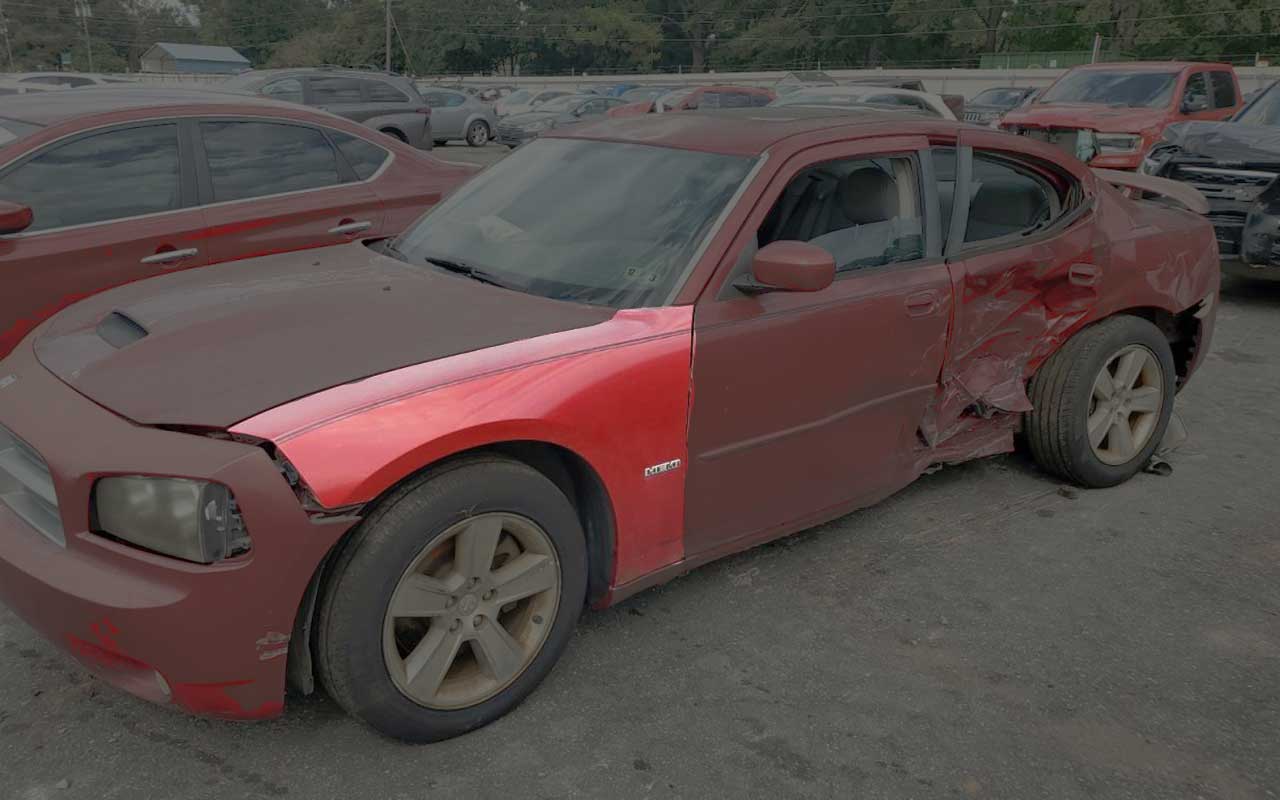
Most cars end up at junkyards because of accidents, old age, or mechanical problems. Junkyards get these cars through auctions, private sales, or insurance companies. Even if a car is not running, many parts, like fenders, can still be in great condition. Fenders are often still in good shape because they don’t wear out like engines or transmissions. Cars involved in accidents that don’t damage the front of the car may still have perfect fenders.

Why Are Junkyard Parts in Good Condition? Fenders, along with other parts like doors and hoods, don’t have moving parts, so they don’t wear out. They are mostly damaged only if the car is in an accident. When a junk car arrives, usable parts like fenders are removed and saved. Since fenders are just bolted on and don’t have any complicated parts, they’re often still in great shape.

https://www.youtube.com/watch?v=knqH8ZZ0uKw

Types of Fenders and Where to Find Them

Junkyards like the ones listed in our junkyard directory often have:

  • Front Fenders (Right and Left): These are on both sides of the front of the car and are often damaged in accidents, so they’re popular.
  • Rear Quarter Panels: These aren’t exactly fenders, but people often look for them at junkyards too.
  • Fender Liners: These protect the wheel area from dirt and rocks.
  • Fender Flares: These are mostly for off-road vehicles and give extra protection and a cool look.

How to Buy a Used Fender from a Junkyard

1. Find the Right Junkyard

Start by finding a good junkyard using our junkyard directory. You can check places like Pick-n-Pull, LKQ, and other self-service junkyards.

2. Know Your Car Details

Make sure you know your car’s make, model, and year. This is important so you get the right part that will fit.

3. Use Interchange Systems

Many junkyards use systems to match parts. These systems help you find parts from other makes and models that will work for your car. For example, a fender from a different car might still fit yours perfectly if it’s from a similar model.

4. Check the Fender

Look at the fender for any rust, dents, or other damage before you buy it. Make sure it will fit well and all the mounting points are still good.

Assessing Quality: When inspecting a fender, check carefully for signs of rust, especially in hidden areas. Make sure all the mounting points are intact and not bent. Look at the fender’s shape to make sure it hasn’t warped. If possible, compare it with your car to confirm it lines up correctly.

5. Bring the Right Tools

If the junkyard is a "pull-it-yourself" place, bring these tools:

  • Socket Set and Ratchet: For removing the bolts holding the fender.
  • Screwdrivers and Pliers: To take off small parts and clips.
  • Trim Removal Tools: So you don’t damage anything while taking off the fender.
  • Work Gloves: To keep your hands safe.

Color Matching and Repainting

Paint Compatibility: Finding a fender that exactly matches your car’s color can be tough. Check the paint code on your car to improve your chances of finding a match. It’s possible that the junkyard has a matching color, but you should be prepared to repaint the fender if necessary. You can paint it yourself using matching spray paint and clear coat, or take it to a body shop for a more professional finish. The cost for repainting a fender can range from $100 to $300, depending on the quality of the paint and whether you do it yourself or hire a professional.

Safe Transport and Installation

Safe Transport: Fenders can be large and hard to handle. Bring a blanket or some foam to wrap the fender in to avoid scratching it. If you have a truck or SUV, this will be easier, but you can also fit a fender into the backseat of most cars if needed.

Installation Guidance: If you have basic mechanical skills, you can install the fender yourself. Make sure to line it up correctly with the car and tighten all the bolts evenly. If you’re not comfortable with the installation, taking it to a body shop will ensure that it fits perfectly and doesn’t cause alignment issues.

Bargaining Tips for Junkyard Parts

Negotiating Prices: Some junkyards have fixed prices, but others may allow you to negotiate. If you notice minor damage, like scratches or small dents, point these out to ask for a discount. It helps to be polite but firm about the price you think is fair.

Types of Junkyards and Their Services

Self-Service vs. Full-Service: There are two main types of junkyards:

  • Self-Service Junkyards: You find and remove the parts yourself, which is cheaper but requires time and tools.
  • Full-Service Junkyards: The staff will pull the parts for you, which costs more but saves you the hassle. It’s a good option if you don’t have tools or don’t want to do the work yourself.

Online Junkyard Options

Digital Inventory Searches: Some junkyards list their parts online, so you can search for the fender you need before visiting. This can save a lot of time, as you won’t need to drive to multiple locations. Check U-Pull-It to see if the junkyard has an online inventory system.

Risks and How to Avoid Them

Quality Assurance: There are some risks to buying used parts, like getting a fender that has been previously repaired. To avoid these issues, carefully inspect the fender for signs of welding or patching. Make sure it’s straight and that all bolt holes are clean and undamaged.

Legal Considerations When Buying Junkyard Parts

Regulations and Paperwork: Always get a receipt when you buy a part from a junkyard. This is important for proof of ownership and to ensure the part wasn’t stolen. Some states require proof that the part is legally sourced, especially for important car parts.

Environmental Impact of Using Junkyard Parts

Recycling Benefits: Buying used fenders helps the environment by recycling car parts that would otherwise end up in a landfill. This reduces the need for new parts to be manufactured, which saves energy and cuts down on pollution.

Customer Success Stories

Real-Life Examples: Many people have saved hundreds of dollars by buying used parts at junkyards. One customer found a perfect fender for their car for only $50, which would have cost $300 new. Not only did it save them money, but the part fit perfectly and looked great after a fresh coat of paint.

Additional Resources

Video Tutorials: If you plan on removing or installing a fender yourself, there are many video tutorials available online that can help guide you step by step. Watching a video can make the process much easier, especially if you’re new to car repairs.

Safety Precautions During Installation

Proper Handling: Fenders can be heavy and awkward to handle. To avoid injuries, always lift with your legs and ask for help if the fender is too heavy or difficult to carry alone. Use gloves to protect your hands from sharp edges, and be careful not to drop the fender to avoid damaging it or hurting yourself.

Pros and Cons of Buying a Fender from a Junkyard

ProsCons
Can significantly lower repair costsRequires careful inspection for small dents or scratches
Parts are ready to buy right awayLimited color choices
OEM fit and qualityWarranty might be limited
Helps recycle and reduce wasteYou need tools and skills to remove parts

Frequently Asked Questions

1. Are used fenders from a junkyard good to buy?

Yes. Fenders are not mechanical parts, so they don’t get worn out like engines or transmissions. Junkyard fenders are often in great shape, especially if the car wasn’t in a front-end accident.

2. What tools do I need to take off a fender at a junkyard?

You need a socket set, screwdrivers, pliers, trim removal tools, gloves, and safety glasses. These tools will help you safely take off the part without causing damage.

3. How much can I save by buying a used fender from a junkyard?

You can save between 20% to 70% compared to buying a new fender. Used fenders usually cost between $20 to $100.

4. Can I return a fender if it doesn’t fit?

Most junkyards let you return a part within 30 to 90 days, especially if you bought a warranty. Be sure to ask about the junkyard’s return policy before buying.

5. How do I know if a fender from another car will fit mine?

Many junkyards use interchange systems to help find parts that will fit different cars. You can ask the junkyard for help or use their database to check.

Ready to Save Money on Fender Repairs?

Buying a used fender is a smart way to save money on car repairs while keeping your car looking good. Visit U-Pull-It to find a junkyard near you and start saving today. If you need other parts, like used side mirrors or a used car hood, we can help you with that too.

https://www.u-pull-it.com/buy-high-quality-left-fenders-at-a-junkyard/?feed_id=41982&_unique_id=672e6436cd841

Tuesday, October 29, 2024

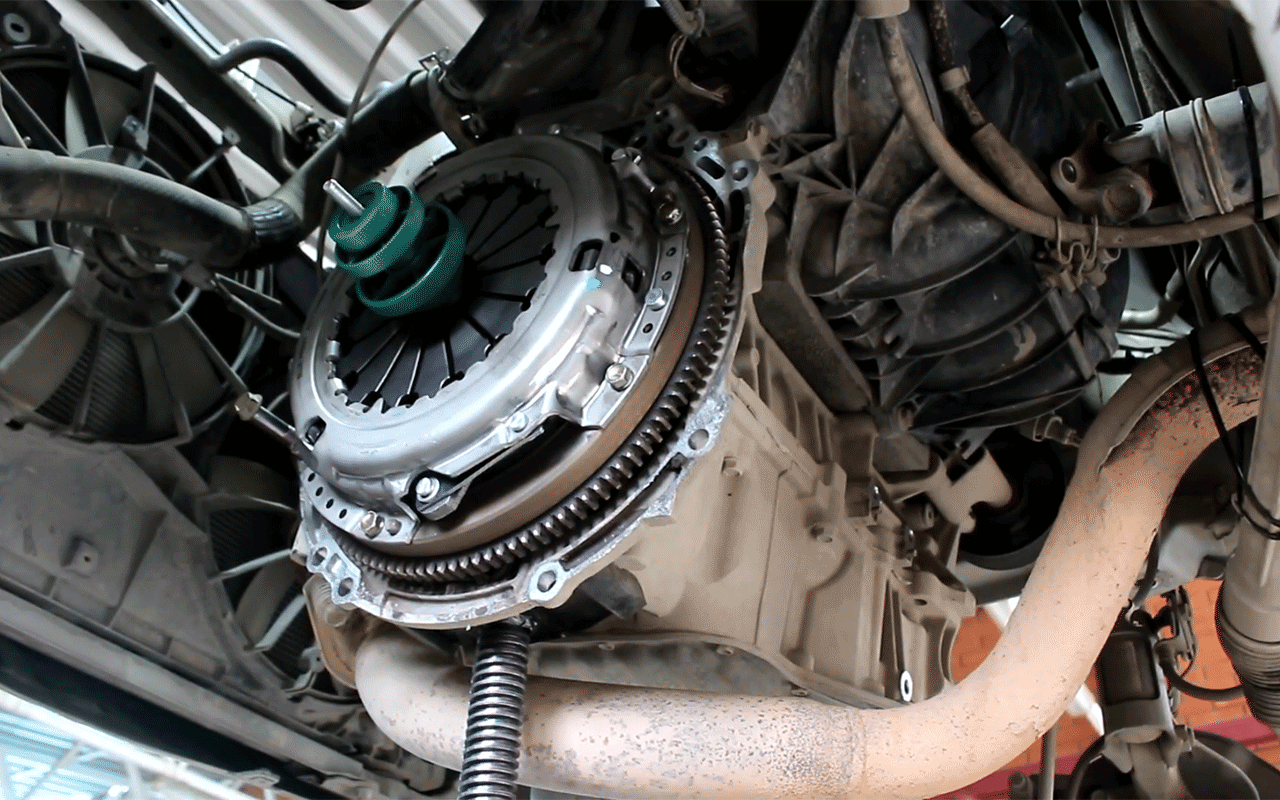
How to Buy a Used Toyota RAV4 Transmission from a Junkyard

Buying a used Toyota RAV4 transmission from a trusted junkyard is a smart choice if you want to save money on car repairs and keep your SUV running smoothly. You can save up to 75% compared to buying a new transmission, which makes a used one a great option. Here’s what you need to know to find, buy, and replace a used Toyota RAV4 transmission from a junkyard.

[sc name="hrz-resp" ][/sc]

Cost Savings: Why Buying Used is Worth It

Buying a used Toyota RAV4 transmission can save you 50-75% compared to getting a new one. For example, while a new RAV4 transmission can cost between $3,000 to $4,000, you might find a good used one from a junkyard for $500 to $1,500, depending on its condition and the year of the car.

Transmission Cost Comparison $0 $1,500 $3,000 $4,500 New Used $3,000 - $4,000 $500 - $1,500

Getting a used part from junkyards like those listed on U-Pull-It.com can make a big difference, especially if you’re on a tight budget. With the money you save, you can pay for installation or other car repairs.

Cost Comparison Table

Here's a table that compares the cost of a new transmission versus a used one from a junkyard:

Transmission TypeEstimated Cost (USD)Warranty Availability
New Transmission$3,000 - $4,000Manufacturer Warranty (3-5 years)
Used Transmission$500 - $1,50090-Day Junkyard Warranty, Optional Extended Warranty (Up to 1 year)

The table shows how buying a used transmission can save you a lot of money while still offering some level of warranty protection.

Finding the Right Transmission for Your Toyota RAV4

To find the right used Toyota RAV4 transmission, follow these steps:

  1. Local Junkyards: Start by looking for junkyards that specialize in Toyota parts. You can use the junkyard directory at U-Pull-It.com to find options near you. Local junkyards are usually the best place to find compatible parts without high shipping costs.
  2. Online Databases: Many junkyards have online inventories where you can check if they have the transmission you need. This can save you time by narrowing down your search before you go in person.
  3. Interchange Systems: These systems help you find compatible parts from other vehicles. For example, some Toyota or Lexus SUVs might have transmissions that fit the RAV4. This can help you expand your options.
  4. Verification: Make sure to double-check the year and compatibility of the transmission. Even small differences between model years can mean that a part won't fit or work properly.

Compatibility Verification in Detail

  • Transmission Codes and VIN Matching: Use the Vehicle Identification Number (VIN) to figure out the correct transmission type for your Toyota RAV4. The VIN contains details about your car’s setup, including the transmission code. Make sure the transmission code on the used part matches your RAV4’s VIN to avoid problems.
  • Model Year Differences: Different years of the RAV4 may use different types of transmissions. For example, some models might use a traditional automatic transmission while others use a continuously variable transmission (CVT). Knowing these differences can help you avoid buying the wrong part.

Tools Needed and Removal Process

Tools to Bring to the Junkyard

If you’re removing a transmission from a junkyard, you need to bring the right tools to make the job easier. Here’s what you need:

  • Socket set and ratchets: For loosening and removing bolts of different sizes.
  • Wrenches (various sizes): Needed to reach tight spaces and unbolt parts.
  • Screwdrivers: For removing screws or clips holding parts in place.
  • Pry bar: Helpful for separating parts that are stuck due to rust or dirt.
  • Jack and jack stands: To safely lift the vehicle and hold it in place while you work.
  • Transmission fluid catch pan: To catch the fluid when you drain the transmission and avoid a mess.
  • Penetrating oil for stuck bolts: This makes it easier to loosen bolts that have seized up over time.

Steps to Remove a Toyota RAV4 Transmission

  1. Preparation: Wear sturdy clothing, gloves, and safety goggles. Safety gear is important when working under a car.
  2. Disconnect the Battery: This prevents electrical accidents. It’s a key safety step whenever working on car parts involving electricity.
  3. Drain Transmission Fluid: Use a fluid catch pan to prevent spills. Draining the fluid first makes the rest of the job easier.
  4. Remove Driveshaft and Axles: These connect to the transmission. Removing them first will make it easier to take out the transmission.
  5. Disconnect Electrical Connections and Shift Linkage: Carefully disconnect all wires to avoid damage. This will make removing the transmission smoother.
  6. Support the Engine: Use a jack or support to hold up the engine when you remove the transmission.
  7. Remove Transmission Mount Bolts: Carefully remove these bolts and then lower the transmission. Once these bolts are out, the transmission can be lowered safely.
https://www.youtube.com/watch?v=_OL5rTtHtDk

Inspection Checklist for Used Transmissions

Before buying a used transmission, it’s important to inspect it to make sure it’s in good shape. Use this checklist to help guide you:

  1. Visual Inspection:
    • Cracks and Rust: Look for any cracks or rust, especially on the outside. Cracks mean structural problems, while rust could mean moisture damage.
    • Fluid Leaks: Check for leaks around seals and gaskets. Leaks might mean that seals are worn or there are internal problems.
    • Transmission Fluid Condition: Look at the fluid. It should be bright red and should not smell burnt. Dark or smelly fluid can be a sign of internal damage.
  2. Functional Testing:
    • Rotate Input Shaft: Try turning the input shaft. It should move smoothly without grinding sounds. Grinding means there could be internal issues.
    • Check Mounting Points: Make sure all mounting points are not cracked. Broken mounts can make it hard to install and lead to future problems.
  3. Common Issues to Watch For:
    • Shifting Problems: Some Toyota RAV4 transmissions may have shifting problems, especially if they have high mileage. Check for signs that the transmission shifts poorly.

Purchasing Process Guidance

Negotiation Tips

When buying a used transmission, you can often negotiate the price to get a better deal. Here are some tips:

  • Do Your Research: Find out the average market price for the transmission you need. This will help you know whether the asking price is fair.
  • Use Defects to Negotiate: If you notice any defects or wear during your inspection, use these to negotiate a lower price.
  • Be Polite and Firm: Always be respectful when negotiating, but make sure to stick to your budget.

Payment Methods and Receipts

  • Payment Types: Most junkyards accept cash, and some accept credit cards or checks. Ask about payment options before buying.
  • Receipt Importance: Make sure to get a receipt or proof of purchase. This is crucial if you need to make a warranty claim.

Shipping and Handling Considerations

  • Arranging Shipping: If the junkyard isn’t local, ask if they offer shipping. Make sure the transmission is properly packaged to avoid damage.
  • Shipping Costs: Be aware that shipping costs can add up, so factor that into your overall budget.

Installation Options

DIY vs. Professional Installation

  • DIY Installation: If you have the skills and tools, installing the transmission yourself can save you money. However, it’s a complicated job that requires experience and special tools.
  • Professional Installation: Hiring a professional mechanic ensures the job is done right. Look for a mechanic with ASE (Automotive Service Excellence) certification, which shows they have the skills needed for the job.

Finding a Qualified Mechanic

  • Ask for Recommendations: Ask friends or check online reviews to find a reputable mechanic.
  • Check Certifications: Look for mechanics with ASE certification. This means they are trained and experienced in working with transmissions.

Post-Installation Checks

  • Test Drive: After installation, take the vehicle for a test drive in different conditions (city, highway) to make sure the transmission is working well.
  • Check for Leaks: Look under the car for any leaks after installation.
  • Smooth Shifting: Make sure the transmission shifts smoothly without any jerking or noises.

Legal and Administrative Considerations

Return Policies and Core Charges

  • Return Policy: Always ask about the return policy in case the transmission doesn’t work as expected.
  • Core Charges: Some junkyards charge a core fee, which is refunded when you return the old transmission. Make sure to ask about these fees.

Paperwork Requirements

  • Bill of Sale: Get a bill of sale or any legal paperwork required for buying a major car part. This is important for records and warranty claims.

Environmental Regulations

  • Proper Disposal: Make sure old fluids and damaged parts are disposed of correctly, following local environmental regulations. This helps keep the environment clean.

Expanded Interchangeability Information

Compatible Models

  • Other Models: Some Lexus SUVs and other Toyota models may have compatible transmissions for the RAV4. Ask the junkyard or use an interchange system to find out which models match.

Using Interchange Databases

  • Hollander Interchange: Use tools like Hollander Interchange to see which parts are compatible with your RAV4. These databases are very helpful for finding parts that fit.

Environmental Benefits of Buying Used Parts

Sustainability

  • Recycling: Buying used parts helps recycle and reduce waste. Instead of creating new parts, you’re using existing ones, which is better for the environment.

Carbon Footprint Reduction

  • Lower Emissions: Manufacturing new parts uses a lot of energy. By reusing parts, you help reduce the carbon emissions that come from making new components.
Environmental Benefits Recycling Carbon Reduction Other Benefits Recycling Carbon Reduction Other Benefits

Additional Resources and Links

Instructional Videos

  • Removing and Installing: Watch YouTube tutorials that show how to remove and install a transmission. These can be very helpful if you’re doing the job yourself.

Official Toyota Resources

  • Toyota Manuals: Check out Toyota’s official manuals for technical details about your RAV4. These can help make sure you’re getting the right part and installing it correctly.

Safety Precautions (Expanded)

Working in Junkyards

  • Be Aware of Your Surroundings: Junkyards can be dangerous, with sharp objects and heavy parts around. Always pay attention to where you’re walking.
  • Follow Junkyard Rules: Many junkyards have rules, like wearing closed-toe shoes or not climbing on stacked cars. Follow these rules to stay safe.
  • Weather Considerations: Avoid working in bad weather, like heavy rain, which can make the ground slippery.

Handling Heavy Components

  • Use the Right Tools: Lifting a transmission is heavy work. Use a transmission jack or have a friend help to avoid injuries.
  • Wear Safety Gear: Gloves and steel-toe boots can protect you from injuries when handling heavy parts.

Testimonials or Case Studies

Success Stories

  • User Experiences: "I saved $2,500 by buying a used transmission for my 2015 RAV4 at a local junkyard. It worked perfectly, and the junkyard even gave me a 90-day warranty!" These types of testimonials add credibility and can reassure readers.

Lessons Learned

  • Common Mistakes: "I forgot to check the VIN and ended up with an incompatible transmission. Always double-check compatibility before buying." Sharing mistakes can help others avoid the same problems.

Conclusion

Buying a used Toyota RAV4 transmission from a junkyard is a great way to save money on car repairs. There are some risks when buying used parts, but you can lower these risks by picking a good junkyard, asking the right questions, and checking compatibility. If you do it right, you can save hundreds, or even thousands, of dollars to get your Toyota RAV4 back on the road.

For more information on where to find quality used parts and salvage yards near you, visit U-Pull-It.com.

https://www.u-pull-it.com/buy-used-toyota-rav4-transmission-from-junkyards/?feed_id=40780&_unique_id=67210320a6a07