[sc name="ad-res-desktop"]
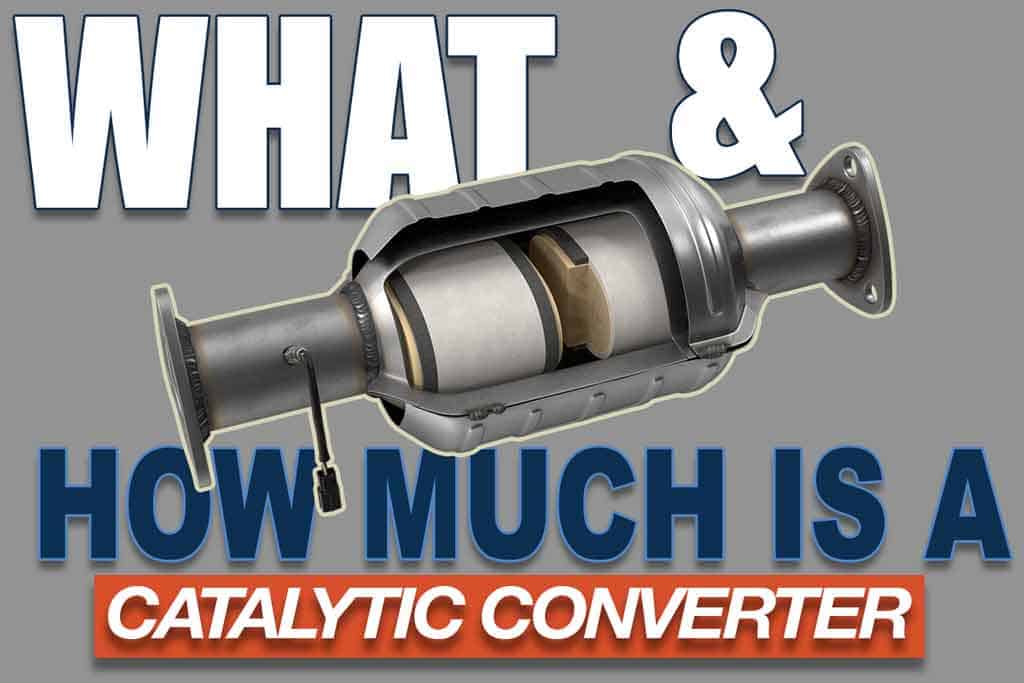
Catalytic converters are an important part of most cars on the road today. Most people know them as the part of the car that cleans the exhaust, and little else. We often associate their absence in cars with a very loud exhaust sound coming from a car driving down the road. Today we will discuss why they are important, what their value is, what to do if your catalytic converter needs to be cleaned or even replaced.
What is a catalytic converter and why are they important?
Catalytic converters are a critical part of a vehicle, since they control exhaust emission, thereby reducing the pollution and toxic gases that cars emit. While catalytic converters are valuable, they are not the most expensive part of a car, however they do cost about $1000 to replace. Since they are required in cars built since the 70s, you can be fined a lot of money for not having one on your car, especially in very strict states like California.
Catalytic converters are also a lucrative item for thieves to take from your car. You are especially at risk if you have a late model truck that sits high up off the ground.
This height gives a thief access to the undercarriage of your vehicle, and the bolted converter is easy to remove, getting themselves some money when they go to scrap your convertor at a junk yard. In this case, it will cost more to have your converter replaced, since there will likely also be damage to the vehicle itself.
Why would a thief want your catalytic convertor and how to protect yours?
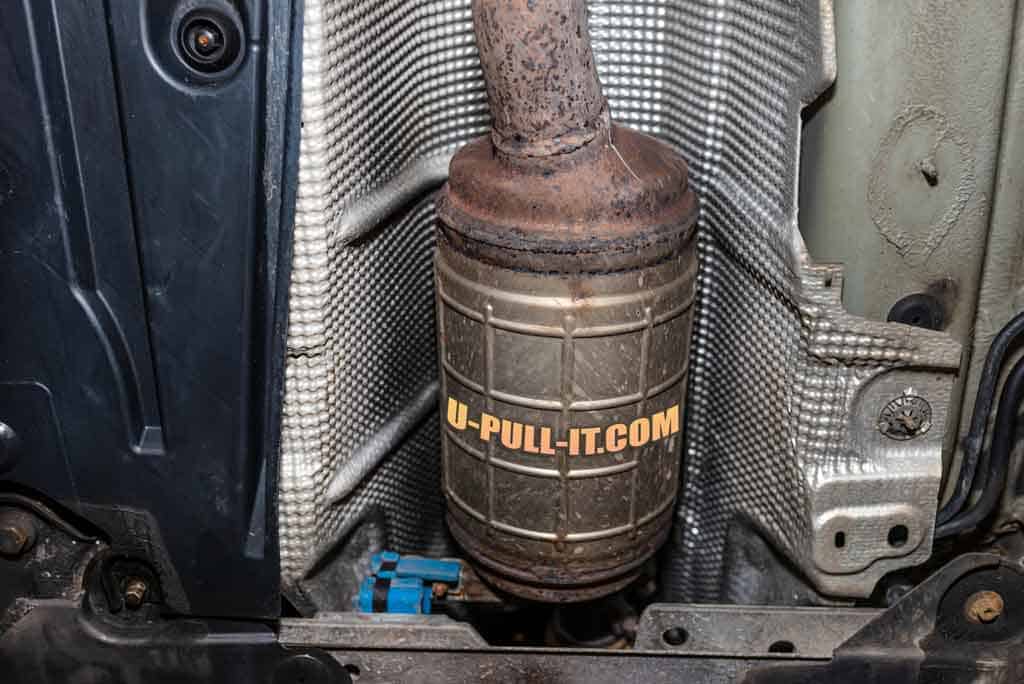
Catalytic converters contain three different groups of platinum metals: platinum, palladium, and rhodium. Much like pothole covers, and road signs in poorer countries, these items can be taken to scrap yards and sold for recycling for quite a bit of money.
Each one, on average, contains 3-7 grams of platinum, although this number varies depending on the make and model of the car. Because scrap yards require a person to have 500 catalytic converters in order to recycle them, a thief will be eager to collect as many as they can, so you will want to make sure you protect your catalytic converter and thus make a further investment in your vehicle by having it welded onto your undercarriage.
[sc name="in-article-ads"]
If you drive a later model truck, your catalytic converter was originally bolted to the undercarriage. These days, you can get it welded on instead. This will take some extra money and time at the mechanic, but it will help to preserve your vehicle, your sanity, and your bank account in the long run.
This will not prevent the theft, but it will make the catalytic converter harder to steal, thus decreasing the chance of it being stolen. Some other basic tips are to park in well-lit areas, close to entrances, park in a garage, and always keep your garage door closed.
How does a catalytic converter work?
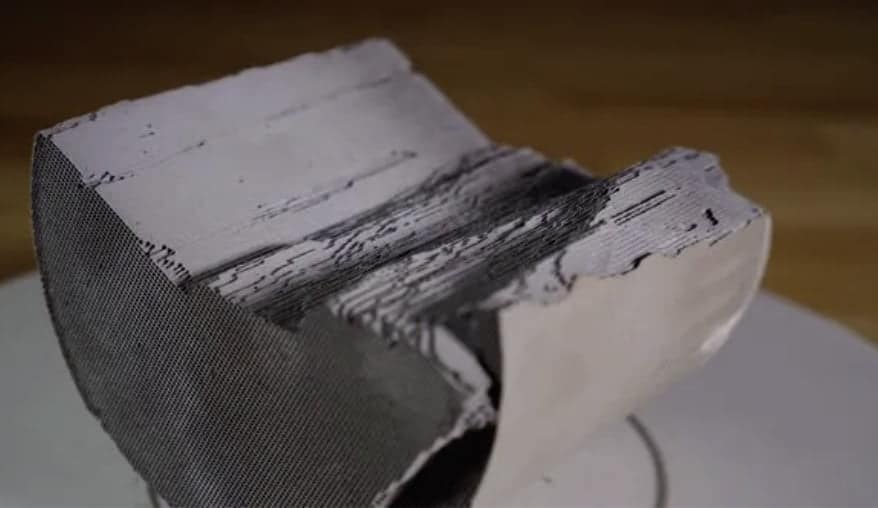
Catalytic converter are used with internal combustion engines and sometimes kerosene heaters and stoves. These devices emit toxic gases and pollutants, unless there is a catalytic converter present to create carbon dioxide from water by combining the products: oxygen, carbon monoxide and unburned hydrocarbons through a redox reaction. A redox reaction is another name for an oxidation-reduction reaction, which is a chemical reaction which changes the oxidation number of any of the chemical species within the reaction.
This happens when one substance gets oxidized, while another gets reduced. In catalytic converters, the reduction catalyst is platinum and rhodium (also lucrative to thieves), which aids in reducing nitrogen oxygen by removing the nitrogen from the nitrogen oxide molecules. This process leaves the oxygen free to form into a safe gas, but removes the toxic gas.
What are the different types of catalytic converters?
There are two types of catalytic converters. They are called “two-way” and “three-way” converters, respectively. Three-way converters are the most commonly used today, because they do a third step that the two-way converters do not do. First, both converters oxidize carbon monoxide to carbon dioxide, then they oxidize unburnt hydrocarbons into carbon dioxide and water, but the three-way then separates the nitrogen oxides into nitrogen and oxygen.
The two-way converters do not do this last step. You will find two-way converters are pretty much obsolete now, whereas three- way converters can be found in automobiles, electric generators, forklifts, mining equipment, trains, ships, buses, trucks, and wood stoves. The reason they are now found in so many different places varies by location and government, but the main two reasons are due to government regulation or health and safety regulations that must be met in order to stay in business.
How to clean or unclog a catalytic converter
There are a few indications that it is time to clean your catalytic converter: rotten egg smelling exhaust fumes, slow acceleration, waning engine performance, black exhaust smoke, and/or under your vehicle it may be hotter than normal. These are also some signs that a person does not have a catalytic converter, which is against the law, so you definitely want to check yours out and make sure it is clean and working.
In order to decrease the likelihood that your catalytic converter gets clogged, you should:
- Minimize driving on bumpy roads.
- There is a ceramic catalyst honeycomb that can break into pieces and clog the equipment.
- The exhaust system should not be tainted by oil or antifreeze.
- These two things create thick exhaust fumes when heated, producing soot that can clog your converter.
- A leak of this nature could also occur because of the vehicles old age, not being serviced enough, too much engine oil, or broken seals.
- Regularly driving only short distances.
- What happens when you do this? Your catalytic converter is not allowed to get hot enough, so that the engine hydrocarbons are not burned when they enter it. Eventually, you will get a buildup of hydrocarbons and a clogged system.
If any of these things happen, you will need to take your vehicle to a mechanic to have it checked out and get the catalytic converter cleaned, or you can do it yourself from home using this guide, if you so choose.
[sc name="in-article-ads"]
This is at your own risk. We cannot be responsible for any damage caused to your vehicle because you decide to do this work on your own, but we think you can pull it off, because almost anything can done with a little research and work. You may want to have someone assist you with the process as well.
Be we talk about the cleaning methods, let’s first discuss what we should never do!! These are some mistakes that can happen while you are cleaning your catalytic converter, and they can actually cause more harm than good:
- Do not use corrosive chemicals to clean the converter
- This includes things like bleach and grout eating gel
- Do not use paint thinner or pain lacquer
- Make sure that if you replace the catalytic converter, instead of cleaning it, that you use one that is compatible with your vehicle.
- Do not try to remove the catalytic converter from the vehicle on your own. This is where a professional will be required. It is tough work, and you will risk damaging the vehicle or yourself.
The first method is to clean the catalytic converter without removing it. If your converter is welded to your vehicle in order to prevent theft, this is obviously going to be an easier solution than having the break the welds as described up above.
This method is more affordable and you will not get too dirty doing it. It also cleans the exhaust system, which is always a bonus. Unfortunately, if your exhaust system is too dirty, this method is not going to work, and you will need to skip forward to the second one.
First you will need to make sure that this easier method will work for you. One way to do this is to tap the converter with a mallet or a tool called a wrench. You want to hit it hard enough to rattle it, but NOT hard enough to break it!!! If you hear a rattling sound, then you will know that there are pieces broken off inside that need to be cleaned out by removing the converter, so you do not want to use this method!
Again, if you hear rattling sounds after tapping the converter, DO NOT use this method! Please remember that cleaning does not always work, but if you have the time and want to put forth the effort to save some money or know that you aren’t being taken advantage of at the mechanic, then one of these cleaning options may work for you.
Now, on to cleaning your catalytic converter, assuming you did not hear rattling sounds:
- You will need fuel and catalytic converter cleaner
- The fuel should be in a can, and the catalytic converter cleaner should be a kind that is compatible with your vehicle.
- Some cleaners only work with either gasoline or diesel engines. Some work with both, so please make sure you get the right stuff.
- Pour the cleaner into the fuel tank. Be sure that you read the instructions on the bottle as to how much you should pour into the tank and much fuel you should add along with it.
- Take a test drive
- This will circulate the cleaner throughout the fuel system of your vehicle, cleaning your exhaust system.
- Check the label of the cleaner to see how long you should drive the vehicle for in order to expect it to be properly cleaned. You want to get the catalytic converter hot enough to burn out any clogs or residue, so consider driving with the RPMs over 3000.
In case you heard things rattling around in your catalytic converter when you gave it that test hit up above, then you will need to remove it and use the following method to clean it out manually.
The second method requires you to remove your catalytic converter from the vehicle. You will need to accumulate some supplies ahead of time, so that you can start and finish in one setting. You do not want to have to go to the store in the middle of this, because your vehicle would be unavailable for use. If your converter is welded, you will need professional help, and should go to a mechanic.
Supplies:
- An automatic degreaser
- A large container that can be used to soak the equipment
- Oil that penetrates
- A floor jack
- Some jack stands
- A wrench that will fit it
- An oxygen sensor wrench
- A pressure washer
Directions:
- Let the vehicle cool.
- Jack it up, so that you can slide under it with ease.
- Use jack stands to hold and support the position of the vehicle.
- Get out your oxygen sensor wrench and take off the oxygen sensors
- Apply the penetrating oil to the bolts on the converter so they will loosen
- Remove the converter
- Inspect it
- Shake it a bit. If you hear rattling, it means the internal parts are in pieces and you need a new one, if not then continue with the cleaning.
- Clean the body of the converter, and pressure wash it on the inside with the LOW setting.
- Fill the large container with hot water and degreaser to soak it for less than one hour
- Rinse it off with the pressure washer on LOW and set it aside to drain. You may want to lay it on a good thick towel, depending on what your work area is like.
- Once dry, reinstall it and put the oxygen sensors back on.
- Test drive your vehicle
- If it’s not better? See a professional.
https://www.u-pull-it.com/what-and-how-much-is-a-catalytic-converter/?feed_id=1260&_unique_id=63fbeffb95188